

Sleeve gastrectomy and Roux-en-Y gastric bypass are both well-established bariatric procedures. Neither operation is best for every patient. The right choice depends on your medical history, reflux symptoms, metabolic health, prior surgery, eating patterns, nutritional considerations, and long-term goals.
There is no one-size-fits-all operation.
A personalized evaluation helps determine which procedure is most appropriate for your health, anatomy, and treatment goals.
| Feature | Sleeve Gastrectomy | Roux-en-Y Gastric Bypass |
|---|---|---|
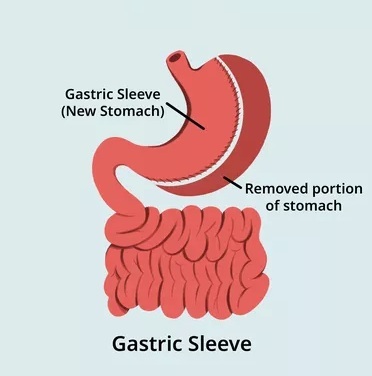
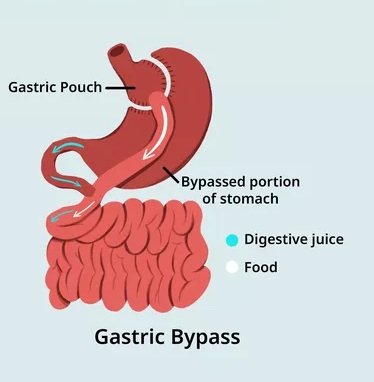
| How it works | Removes a large portion of the stomach, leaving a smaller sleeve-shaped stomach. The intestines are not rerouted. | Creates a small stomach pouch and reroutes a portion of the small intestine. |
| Weight-loss effect | Strong and durable weight loss for many patients. | Strong and durable weight loss, often with a greater metabolic effect in selected patients. |
| Diabetes / metabolic effect | Can significantly improve type 2 diabetes and other obesity-related conditions. | Often provides a powerful metabolic effect and may be particularly useful in selected patients with type 2 diabetes. |
| GERD / reflux | Reflux may worsen or newly develop in some patients after sleeve gastrectomy. | Often considered when significant reflux is present, although reflux evaluation is still individualized. |
| Nutrient absorption | Less effect on intestinal nutrient absorption because the intestines are not bypassed. | Greater risk of vitamin and mineral deficiencies because part of the intestine is bypassed. |
| Vitamins and follow-up | Long-term vitamin supplementation and laboratory monitoring are still important. | Lifelong vitamin/mineral supplementation and regular laboratory monitoring are especially important. |
| Dumping syndrome | Less commonly associated with classic dumping syndrome. | Dumping syndrome can occur, especially after foods high in sugar or refined carbohydrates. |
| Surgical anatomy | Simpler gastrointestinal reconstruction; no intestinal bypass. | More complex reconstruction with a stomach pouch and intestinal connection. |
| Future endoscopic access | The stomach and duodenum remain in the normal food pathway. | The bypassed stomach and duodenum are not in the usual food pathway and may be more difficult to access endoscopically. |
Sleeve gastrectomy may be a good option for selected patients who want an effective bariatric procedure without intestinal bypass. It may also be considered when a simpler gastrointestinal reconstruction is preferred.
Roux-en-Y gastric bypass may be particularly useful for selected patients who need a strong metabolic effect or who have significant reflux that makes sleeve gastrectomy less attractive.
Both sleeve gastrectomy and gastric bypass can produce substantial, durable weight loss. Average results vary widely among individuals, and long-term success depends on more than the operation itself. Nutrition, physical activity, medical conditions, medications, follow-up, and long-term behavioral changes all matter.
Reflux is one of the most important differences when choosing between sleeve gastrectomy and gastric bypass. Sleeve gastrectomy can worsen or contribute to GERD in some patients, while gastric bypass is often considered when significant reflux is present. Patients with heartburn, regurgitation, hiatal hernia, Barrett’s esophagus, or other foregut concerns may need additional evaluation before procedure selection.
Both procedures can improve type 2 diabetes and other obesity-related conditions. Gastric bypass may provide a particularly strong metabolic effect in selected patients, but the best operation depends on the individual patient rather than a single diagnosis.
Long-term follow-up is essential after either operation. Patients need attention to protein intake, hydration, vitamins and minerals, physical activity, weight trends, and periodic laboratory testing. Nutritional deficiencies can occur after both procedures, but they are generally a greater concern after gastric bypass because intestinal absorption is altered.
The best procedure is the one that fits the patient.
A thoughtful bariatric evaluation considers anatomy, reflux, metabolic disease, prior treatment, nutritional risk, lifestyle, and long-term goals before recommending an operation.
Learn more about each procedure before deciding which approach may be right for you.
This information is provided for general educational purposes and does not replace individualized medical advice. Bariatric procedure selection requires an appropriate clinical evaluation. Risks, benefits, expected outcomes, nutritional requirements, and suitability vary by patient.