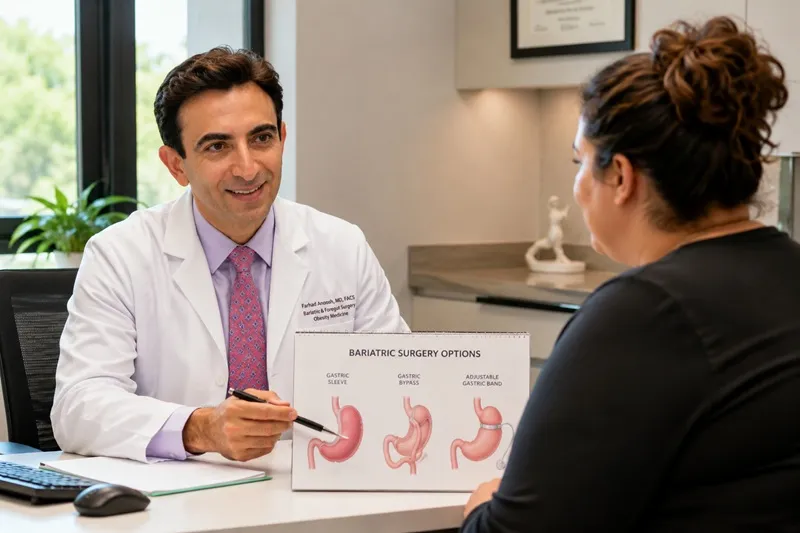

Bariatric & Robotic Surgery

A Powerful Tool for Weight Loss. A Personalized Approach to Better Health.

Bariatric surgery can be an effective treatment for obesity and many obesity-related health conditions. But there is no single operation that is right for everyone.

Your weight, overall health, diabetes, reflux, previous surgery, lifestyle and personal goals all help determine which treatment may be right for you.

Is Bariatric Surgery Right for You?

Bariatric surgery may be an option when obesity is affecting your health and lifestyle changes or medical treatment alone have not provided adequate or lasting results.

Your evaluation should look at more than just your weight or BMI. Your overall health, previous weight-loss efforts, medications, metabolic conditions, reflux, prior surgery and long-term goals are all important.

Every patient deserves an individualized treatment plan.

kg
cm

BMI is only one part of determining whether bariatric surgery may be appropriate. Medical history, obesity-related conditions, prior treatment, and individual goals also matter.

Bariatric Surgery Consultation — Coming Soon

Your Surgical Options

Sleeve Gastrectomy

Sleeve gastrectomy reduces the size of the stomach while maintaining the normal pathway of food through the digestive system. The procedure helps patients eat smaller portions and also affects signals involved in hunger and appetite.
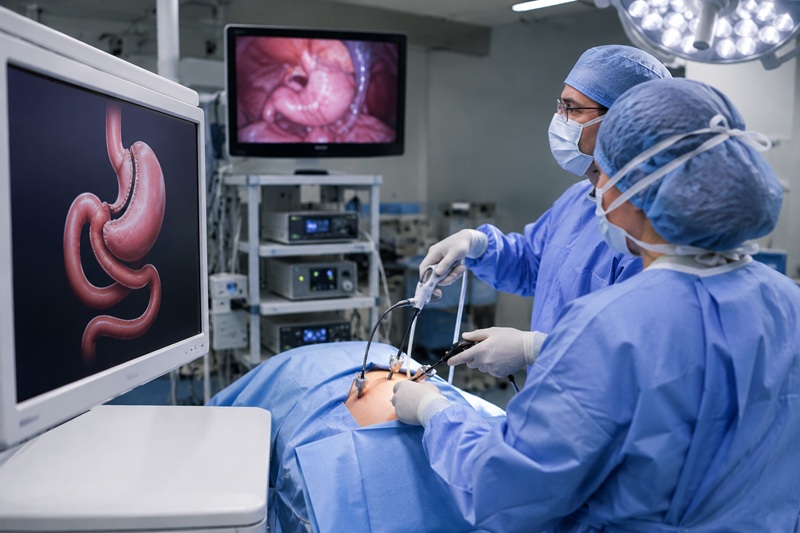
Roux-en-Y Gastric Bypass

Gastric bypass creates a small stomach pouch and reroutes part of the small intestine. It promotes weight loss through several mechanisms and may be particularly beneficial for selected patients with metabolic disease or significant reflux.
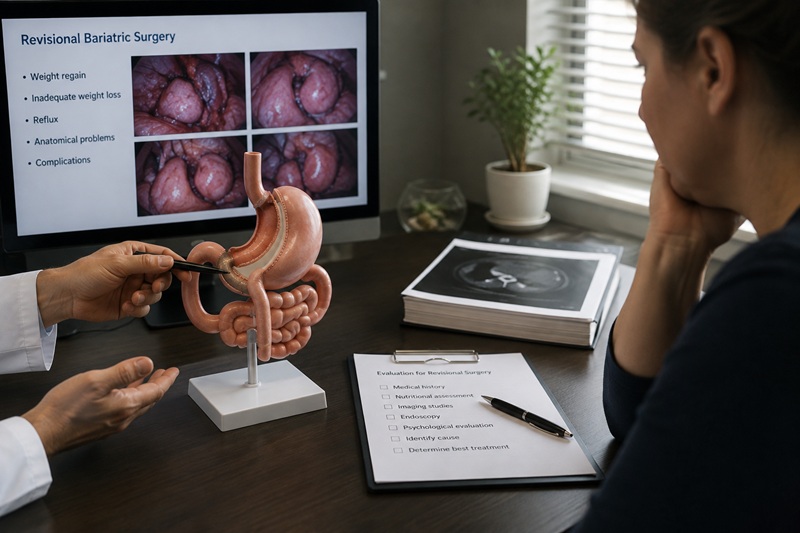
Revisional Bariatric Surgery

Sometimes a previous bariatric procedure needs another evaluation because of weight regain, inadequate weight loss, reflux, anatomical problems or other complications. Revisional surgery can be more complex than a first operation and requires careful evaluation to understand the cause of the problem and determine the best treatment.

Advanced Bariatric Surgery Options

For selected patients, advanced metabolic surgeries can provide powerful, durable treatment for obesity and related conditions. Procedure choice depends on prior surgery, BMI, metabolic health, reflux, nutritional status, eating patterns, and long-term goals. A personalized evaluation is essential because each procedure has different benefits, risks, and nutritional requirements.


Robotic-Assisted Bariatric Surgery

Advanced Technology. Surgeon-Controlled Care.

Robotic-assisted surgery is a form of minimally invasive surgery performed through small incisions.

The robot does not perform the operation.

The surgeon remains in control throughout the procedure. The robotic platform provides high-definition visualization and highly maneuverable instruments that can assist with precise surgical dissection and reconstruction.

Robotic technology can be particularly useful in selected complex and revisional bariatric procedures.

Which Procedure Is Right for Me?

There is no single bariatric operation that is best for everyone.

Choosing a treatment may depend on:

Your weight and weight-loss goals
Diabetes and other metabolic conditions
GERD or significant reflux
Previous abdominal or bariatric surgery
Current medications
Eating patterns and lifestyle
Your medical and surgical history
Your preferences and long-term goals

The goal is not simply to choose an operation. It is to choose the treatment that makes sense for you.

Your Bariatric Surgery Journey

.01

Consultation

Understand your health, concerns and goals.

.02

Evaluation & Preparation

Medical evaluation, nutrition education and preparation for treatment.

.03

Your Personalized Plan

Choose the treatment that best fits your individual needs.

.04

Surgery & Recovery

Minimally invasive or robotic surgery when appropriate, followed by a structured recovery plan.

.05

Long-Term Success

Nutrition, physical activity, medical follow-up and ongoing weight-management support.

Life After Bariatric Surgery

Surgery is the beginning—not the end—of the journey.

Long-term success involves continued attention to nutrition, physical activity, vitamin supplementation, medical follow-up and healthy habits.

Obesity is a chronic disease, and treatment may need to evolve over time. Some patients may benefit from additional nutritional, behavioral or medical weight-management treatment as their needs change.

A Real Patient Journey

One Patient. One Year. A Real Journey.

Follow a patient’s experience through bariatric surgery—from preparing for surgery through recovery and life during the first year.

PRE-OP

EARLY POST-OP

1 WEEK POST-OP

3 WEEKS POST-OP

1 MONTHS POST-OP

3 MONTHS POST-OP

8 MONTHS

ONE YEAR

Frequently Asked Questions

How do I know if I qualify for bariatric surgery?

Eligibility depends on several factors, including BMI, obesity-related medical conditions, previous weight-loss treatment and overall health. An individualized evaluation can help determine which options may be appropriate.

There is no single best operation for everyone. Sleeve gastrectomy, gastric bypass and revisional procedures each have different advantages and considerations.

Weight loss after bariatric surgery can improve many obesity-related conditions, including type 2 diabetes, high blood pressure and sleep apnea. Individual results vary.

Reflux is an important consideration when selecting a bariatric procedure. Your symptoms and anatomy should be evaluated before deciding which treatment is most appropriate.

No. The surgeon performs and controls the operation. The robotic system is a surgical platform that translates the surgeon’s movements into precise movements of specialized instruments.

Weight regain should be evaluated without judgment. Nutrition, lifestyle, medications, anatomy and the original operation can all contribute. Depending on the cause, treatment may include medical weight management, endoscopic therapy or revisional surgery.

Not Sure Which Treatment Is Right for You?

Explore the full range of obesity treatment options—from medical weight management to endoscopic therapies and bariatric surgery.