

For selected patients, advanced metabolic operations may provide powerful and durable treatment for obesity and obesity-related disease. The best procedure depends on prior surgery, BMI, metabolic health, reflux, eating patterns, nutritional status and long-term goals. A personalized evaluation is essential because these operations differ in anatomy, benefits, risks and nutritional requirements.
SADI-S combines a sleeve gastrectomy with an intestinal bypass. After the stomach is shaped into a sleeve, the first portion of the duodenum is divided and connected to a more distant segment of small intestine using a single intestinal connection. This changes both food intake and nutrient absorption and can produce a strong metabolic effect.
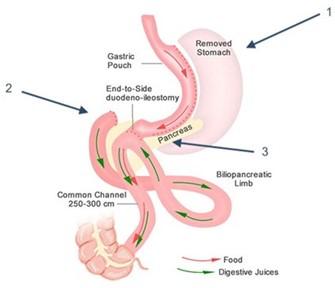
Because SADI-S bypasses a meaningful length of small intestine, nutritional follow-up is essential. Potential problems include protein-calorie malnutrition, vitamin and mineral deficiencies, diarrhea or changes in bowel habits, bile reflux, ulcer, leak, bleeding and other surgical complications.
One-anastomosis gastric bypass, sometimes called mini gastric bypass, creates a long narrow stomach pouch that is connected to the small intestine with one surgical connection. Food bypasses the remaining stomach and a portion of the upper small intestine. The operation combines restriction with metabolic and absorptive effects.
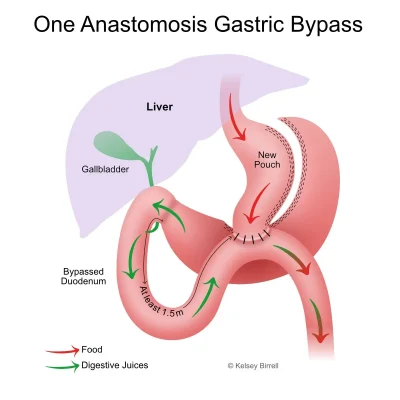
Potential risks include leak, bleeding, ulcer, narrowing, internal hernia or obstruction, nutritional deficiencies and bile reflux. Because bile reflux can be clinically important in some patients, procedure selection should take reflux symptoms, anatomy and long-term goals into account.
BPD-DS combines sleeve gastrectomy with a more extensive intestinal bypass. The duodenum is divided beyond the stomach and the small intestine is rearranged so that food and digestive juices travel separately for much of the intestinal tract before mixing farther downstream. This produces powerful metabolic and malabsorptive effects.
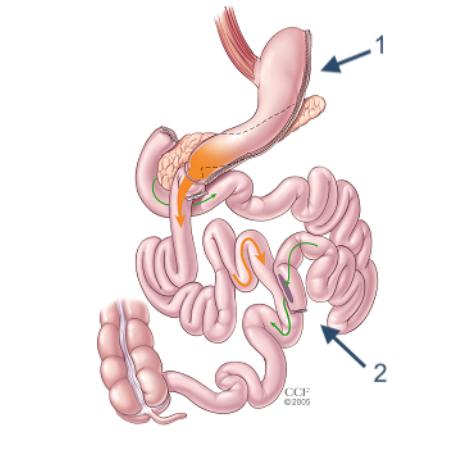
BPD-DS carries substantial nutritional responsibility. Protein deficiency and deficiencies of iron, calcium, vitamin D and fat-soluble vitamins can occur. Changes in bowel frequency, diarrhea, gas and malodorous stool may occur. Lifelong supplementation, laboratory surveillance and follow-up are mandatory.
| Feature | SADI-S | OAGB / Mini Bypass | BPD-DS |
|---|---|---|---|
| Stomach component | Sleeve | Long narrow pouch | Sleeve |
| Intestinal connections | One | One | Two-part intestinal reconstruction |
| Metabolic effect | Very strong | Strong | Very strong |
| Nutritional monitoring | High importance | High importance | Very high importance |
| Potential role after prior sleeve | Yes, selected patients | Yes, selected patients | Yes, selected patients |
Procedure choice should be based on the individual patient’s anatomy, medical conditions, prior operations, reflux history, nutritional status, preferences and ability to maintain long-term follow-up.
Complete medical and surgical history
Review of any prior bariatric operative reports
Weight and metabolic history
Nutrition assessment and laboratory testing
Evaluation of reflux or foregut symptoms when present
Upper endoscopy and/or imaging when clinically appropriate
Discussion of medications and obesity-medicine options
Detailed review of expected benefits, alternatives, risks and lifelong nutritional requirements
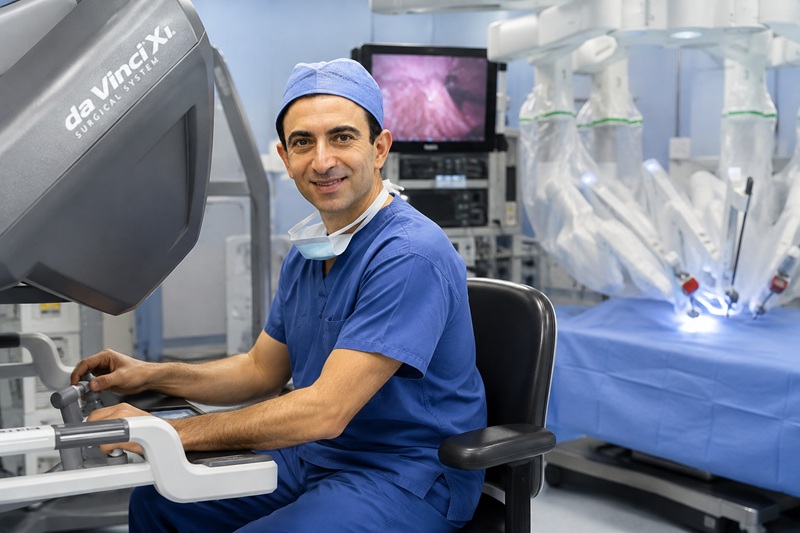
These operations can often be performed using minimally invasive laparoscopic or robotic-assisted techniques. Advanced bariatric and revisional procedures can involve complex anatomy and reconstruction. Robotic technology may provide enhanced visualization and instrument dexterity in selected cases. The surgeon remains completely in control of the procedure.
All bariatric operations carry risk. Depending on the procedure, complications may include bleeding, infection, blood clots, leak, ulcer, narrowing, bowel obstruction, internal hernia, bile reflux, nutritional deficiencies, protein-calorie malnutrition and need for additional procedures. More malabsorptive operations generally require more intensive lifelong nutritional surveillance.
Average results differ among procedures, but individual outcomes vary. Procedure choice should not be based on weight-loss numbers alone.
No. They share important features, but SADI-S uses a single intestinal anastomosis and has different intestinal anatomy.
The name refers to a simplified one-anastomosis reconstruction, not to the significance of the operation. It remains major metabolic surgery requiring lifelong follow-up.
Yes. Lifelong supplementation and laboratory monitoring are important after these procedures, particularly SADI-S and BPD-DS.
In selected patients, yes. The correct revision depends on the reason for revision, anatomy, symptoms and health goals.
Reflux history matters when choosing an operation. A foregut evaluation may be needed before selecting the safest procedure.
Coverage varies by insurance plan, indication and procedure. Plan-specific requirements and documentation may apply.

The goal is to choose the operation that best matches your health, anatomy and long-term needs — not simply the most aggressive procedure.