GERD & Foregut Care

Find the cause. Treat the problem. Improve quality of life.

Heartburn, regurgitation, swallowing difficulty, chest discomfort, and other foregut symptoms can have different causes. Effective treatment starts with the right diagnosis. Our approach combines careful evaluation with medical, endoscopic, and minimally invasive surgical options when appropriate.

The goal is not simply to suppress symptoms.

We aim to understand the anatomy and physiology behind the problem so treatment can be matched to the individual patient.

Not sure if your symptoms are GERD?

Take our quick assessment to learn more.

Conditions We Treat

GERD

Gastroesophageal reflux disease can cause heartburn, regurgitation, cough, throat symptoms, sleep disturbance, and other symptoms.

BREATH
Hiatal Hernia

A hiatal hernia occurs when part of the stomach moves upward through the diaphragm and can contribute to reflux or other foregut symptoms.

Barrett's Esophagus

Barrett's esophagus is a change in the lining of the lower esophagus associated with chronic reflux and requires appropriate evaluation and surveillance.

Esophageal Motility Disorders

Problems with esophageal movement can cause difficulty swallowing, regurgitation, chest discomfort, or food sticking.

Other Foregut Conditions

Evaluation may also include other structural or functional problems involving the esophagus, stomach, or gastroesophageal junction.

proper treatment

Evaluation & Diagnosis

GERD and foregut symptoms are not always explained by symptoms alone. Depending on the clinical situation, evaluation may include:

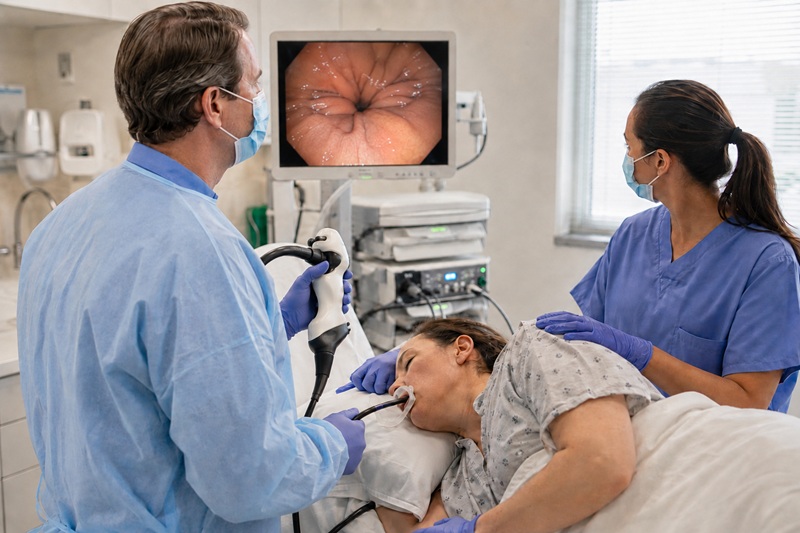
Upper endoscopy (EGD) to evaluate the esophagus, stomach, and gastroesophageal junction

Ambulatory reflux monitoring, such as pH or pH-impedance testing, when objective confirmation of reflux is needed

Esophageal manometry to evaluate swallowing function and esophageal motility, particularly before certain antireflux procedures

Barium swallow or upper GI contrast imaging when anatomy, hernia, narrowing, or swallowing mechanics need further evaluation

Review of prior imaging, endoscopy, medications, bariatric surgery, and symptom history

Accurate diagnosis matters
The same symptom can come from different causes. For example, persistent heartburn may reflect ongoing reflux, hypersensitivity, motility problems, or another condition. Testing should be selected based on the individual clinical question.

Treatment Options

Medical & Lifestyle Treatment

Many patients improve with evidence-based lifestyle measures and acid-suppressing medication. Treatment may include weight management, meal timing, avoiding individual trigger foods when relevant, medication optimization, and management of associated conditions.

Hiatal Hernia Repair & Fundoplication

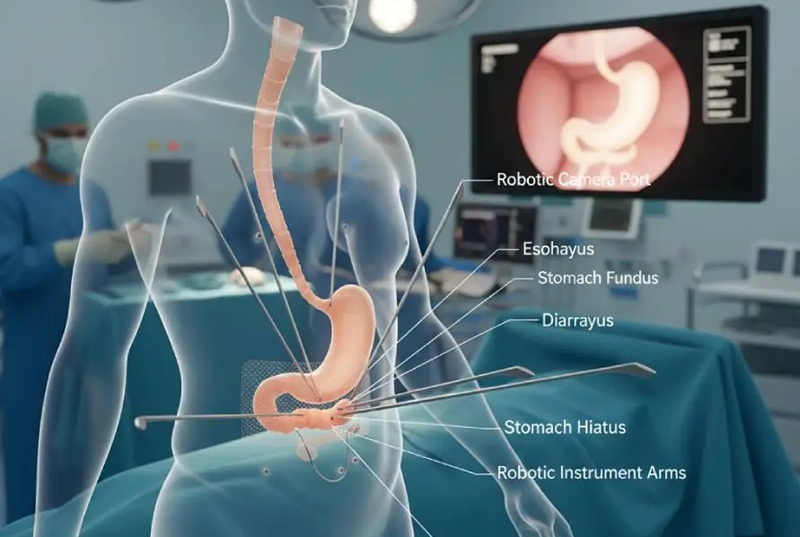
For selected patients with objectively confirmed reflux, hiatal hernia, or persistent symptoms despite appropriate medical therapy, minimally invasive surgery may be considered. Hiatal hernia repair restores the anatomy at the diaphragm, and fundoplication reinforces the antireflux barrier using the upper stomach. Common fundoplication approaches include complete and partial wraps. The specific operation should be chosen based on anatomy, reflux testing, swallowing function, and patient factors.

LINX® Magnetic Sphincter Augmentation

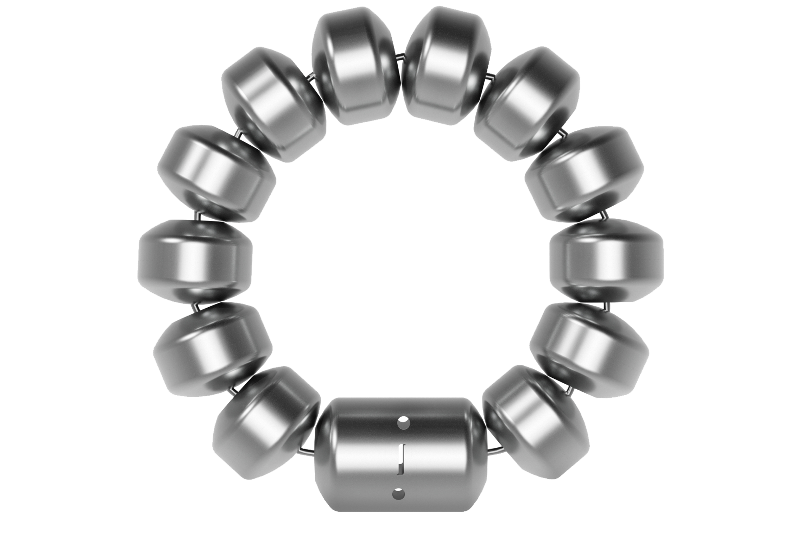
LINX is an FDA-approved implant designed to augment the lower esophageal sphincter in selected patients with objectively confirmed GERD who continue to have chronic symptoms despite medical therapy. The device uses a ring of magnetic beads placed around the gastroesophageal junction to support closure while allowing swallowing. Patient selection is important. Hiatal hernia repair may be performed when indicated, and current device labeling and patient-specific factors should guide use.

Endoscopic & Other Less-Invasive Options

Selected patients may be candidates for endoscopic antireflux therapies or other less-invasive procedures. These options should be discussed in the context of objective reflux testing, anatomy, durability of evidence, prior surgery, and patient goals.

GERD After Sleeve Gastrectomy

Reflux can develop or worsen after sleeve gastrectomy. Evaluation should consider anatomy, hiatal hernia, sleeve configuration, esophagitis, and objective reflux testing when appropriate.

Treatment may range from medication and lifestyle measures to hiatal hernia repair, endoscopic treatment in selected situations, or conversion to Roux-en-Y gastric bypass for carefully selected patients.

Why this matters on Help Obesity Now
GERD care and obesity care overlap. Patients considering bariatric surgery should have reflux symptoms considered before choosing an operation, and patients with reflux after bariatric surgery may need a combined foregut and bariatric evaluation.

Barrett's Esophagus

Barrett’s esophagus is associated with chronic reflux and an increased risk of esophageal adenocarcinoma. Management may include acid suppression, endoscopic surveillance, and endoscopic eradication therapy when dysplasia or selected early neoplasia is present.

Screening and surveillance decisions should be individualized according to current gastroenterology guidelines and patient risk factors.

Why Treat GERD & Foregut Conditions?

  • Improve quality of life and sleep
  • Reduce persistent heartburn, regurgitation, or swallowing symptoms
  • Treat hiatal hernia or structural problems when appropriate
  • Protect the esophagus from ongoing reflux injury
  • Reduce unnecessary or ineffective long-term treatment when the diagnosis is uncertain
  • Create a durable treatment plan based on anatomy, physiology, and patient goals

How We Choose the Right Treatment

1 Understand the symptoms Review timing, triggers, swallowing problems, prior treatment, medications, and previous procedures.
2 Confirm the diagnosis Use endoscopy, reflux monitoring, manometry, or imaging when appropriate.
3 Define the anatomy Assess hiatal hernia, gastroesophageal junction, esophagus, and prior bariatric anatomy.
4 Match treatment to the cause Choose medical, endoscopic, or surgical treatment based on objective findings and patient goals.
5 Follow long term Monitor symptom control, swallowing, reflux recurrence, Barrett’s surveillance when applicable, and overall health.

Frequently Asked Questions

Do I need surgery for GERD?

No. Many patients are treated successfully with lifestyle measures and medication. Surgery is considered for selected patients based on symptoms, objective testing, anatomy, and treatment goals.

There is no single best test for everyone. Endoscopy, pH testing, pH-impedance testing, and manometry answer different clinical questions.

It occurs when part of the stomach moves upward through the opening in the diaphragm. Some hiatal hernias contribute to reflux or other symptoms.

No. LINX uses a magnetic sphincter augmentation device. Fundoplication uses the patient’s own stomach to reinforce the antireflux barrier. Both require careful patient selection.

Yes. Reflux can develop or worsen after sleeve gastrectomy in some patients. Persistent symptoms deserve evaluation rather than indefinite medication adjustment alone.

No. Barrett’s esophagus is not cancer, but it can increase the risk of esophageal adenocarcinoma. Appropriate surveillance and treatment depend on whether dysplasia is present.

Manometry evaluates esophageal motility and helps exclude major motility disorders that can affect procedure selection and postoperative swallowing.

Ready to Understand What's Causing Your Symptoms?

Start with a focused foregut evaluation. We can review your symptoms, prior testing, medications, and surgical history, then determine whether additional testing or treatment is appropriate.

Patient-Facing Disclaimer

This page is for general educational purposes and does not replace individualized medical advice. Diagnostic testing and treatment recommendations depend on the patient’s history, symptoms, anatomy, objective findings, and current clinical guidelines. All procedures have potential risks, and results vary by individual.

Recommended Detailed Pages

  • GERD – detailed patient page
  • Hiatal Hernia – detailed patient page
  • Antireflux Surgery – Fundoplication and LINX
  • Barrett’s Esophagus – concise education and surveillance page
  • Esophageal Motility Disorders – concise education page

Clinical Reference Note

This draft was prepared using current primary-source guidance, including the American Society for Gastrointestinal Endoscopy 2025 GERD guideline, American College of Gastroenterology guidance on GERD and Barrett’s esophagus, and current U.S. FDA information for the LINX Reflux Management System. Clinical recommendations and device labeling should be rechecked before publication and periodically thereafter.