

Medical weight management is more than choosing a medication. It is a comprehensive medical approach to obesity that considers your health, weight history, goals, lifestyle, medications, and long-term needs.
Board-Certified Obesity Medicine
Convenient Telemedicine
Ongoing Support Every Step of the Way
Treatment is individualized. A specific medication is prescribed only when medically appropriate
Obesity is a chronic, complex disease influenced by biology, metabolism, genetics, environment, sleep, medications, behavior, and other health conditions. Effective treatment often requires more than willpower or a short-term diet.
Our medical weight management program combines physician evaluation, evidence-based obesity treatment, nutrition and activity guidance, and ongoing follow-up. When medically appropriate, FDA-approved prescription medications may be included as part of an individualized treatment plan.
The goal is long-term health, not a quick fix.
Treatment is designed to support meaningful weight reduction, improve weight-related health risks, build sustainable habits, and create a plan for maintaining progress over time.
| 1 | Schedule Your Visit Choose a convenient telemedicine appointment. |
| 2 | Comprehensive Evaluation Review your weight history, medical conditions, current medications, previous treatments, goals, and factors that may affect your weight. |
| 3 | Personalized Treatment Plan Discuss nutrition, physical activity, behavioral factors, and prescription treatment options when appropriate. |
| 4 | Insurance & Prior Authorization If medication is prescribed and authorization is required, applicable insurance requirements can be addressed. Coverage is never guaranteed. |
| 5 | Ongoing Follow-Up Monitor progress, side effects, health changes, and treatment response, with adjustments when needed. |
Prescription obesity treatment may be considered for adults who meet appropriate clinical criteria. In general, weight-management medications are commonly considered for adults with obesity, or for adults with overweight who also have a weight-related medical condition.
Medical weight management is individualized. Your physician will determine whether treatment is appropriate based on your complete medical history, current medications, prior treatment, potential contraindications, and individual risks and benefits.
You do not need to choose a medication before your visit.
Many patients arrive with questions about a specific medication. The purpose of the medical evaluation is to determine which treatment approach is appropriate for you.

A GLP1 treatment for chronic weight management in appropriate patients. Other semaglutide products may have different FDA-approved indications.
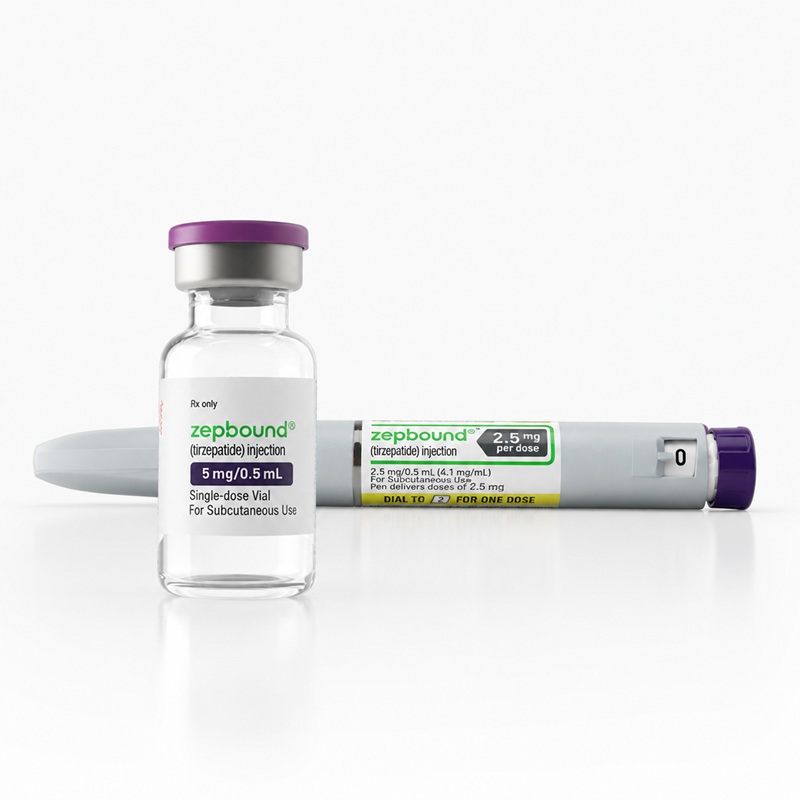
A GIP/GLP1 treatment for chronic weight management in appropriate adults. Mounjaro® contains tirzepatide but has different FDA-approved labeling.

An oral GLP1 treatment approved for long-term weight reduction in appropriate adults.
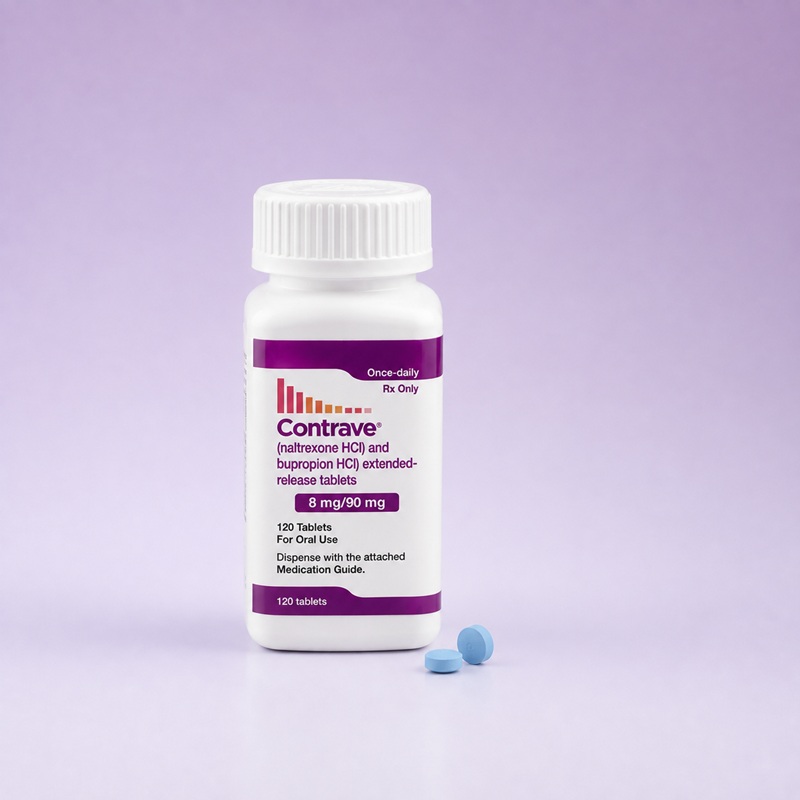
A non-GLP1 oral medication that may be appropriate for selected adults.
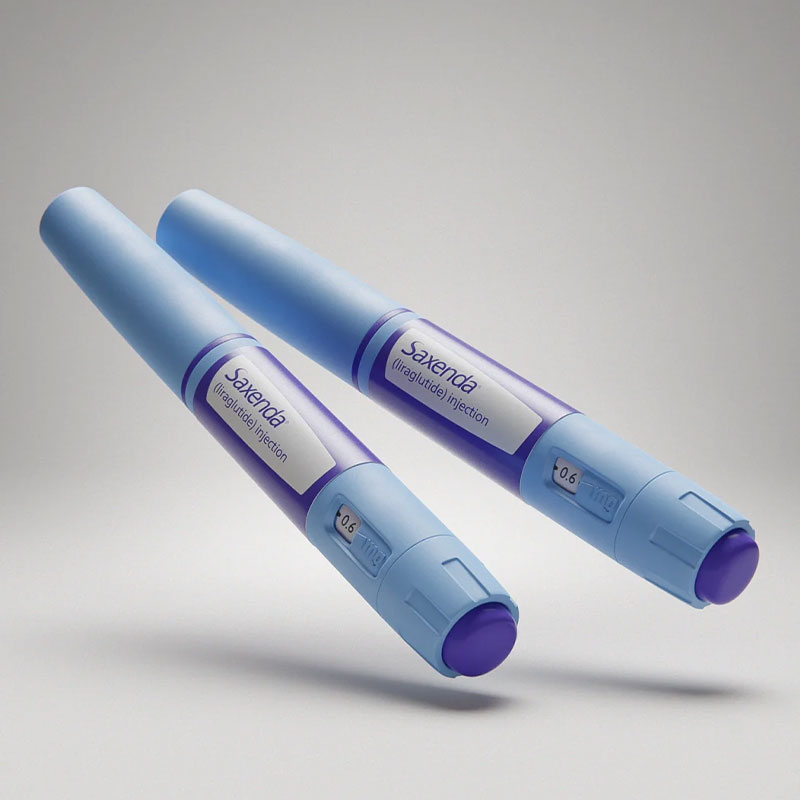
A daily injectable GLP1 medication that remains an option for selected patients.
Other prescription options may also be considered when clinically appropriate. A specific medication is never guaranteed before medical evaluation.
FDA-approved prescription options
This program is designed around FDA-approved prescription treatment options. Medication labeling and availability can change, so recommendations are based on current medical information at the time of your visit.
Tracking food intake and daily habits can help patients better understand eating patterns, protein intake, hydration, and progress. Some patients find a dedicated tracking app useful as part of this process.
Optional tool: Baritastic®
Baritastic is a third-party mobile app that patients may use to track meals, protein, fluids, weight, vitamins, activity, and other daily habits. It can be used as a personal self-monitoring tool alongside your individualized medical and nutrition plan.
❇︎ Use of Baritastic is optional. Unless you are specifically enrolled in a connected clinic program, using the app does not mean that your entries are being reviewed by your physician or healthcare team.
The first visit is designed to understand the whole picture rather than simply select a medication. Your physician will review your weight history, previous weight-loss attempts, medical and surgical history, current medications, weight-related conditions, treatment goals, and factors that may influence treatment.
Relevant laboratory testing, medical records, or additional information may be requested when clinically indicated. Together, you and your physician can discuss treatment approaches, expected benefits, potential risks, medication preferences, and insurance considerations.
When appropriate, care may be coordinated with your primary care physician or other treating specialists.
Insurance coverage for obesity treatment and prescription weight-management medications varies by health plan and individual benefits. Copays, deductibles, exclusions, and prior-authorization requirements may apply.
If a medication is medically appropriate and prior authorization is required, applicable insurance requirements can be addressed. Coverage is not guaranteed, and coverage for a physician visit does not necessarily mean that a particular medication is covered.
If a preferred medication is not covered, your physician can discuss medically appropriate alternatives and other treatment pathways.
Medical weight management is an ongoing process. Follow-up visits allow your physician to review progress, side effects, medication response, changes in health, and barriers to treatment.
Treatment may be adjusted when a medication is not effective enough, causes unacceptable side effects, becomes unavailable, or no longer fits your medical needs.
Because obesity is a chronic disease, maintaining weight loss often requires a long-term strategy. This may include continued medication when appropriate, nutrition and activity support, monitoring of weight-related conditions, and adjustments over time.
Weight recurrence or inadequate weight loss can occur after bariatric surgery. For selected patients, medical obesity treatment may be considered after surgery and can complement nutritional, behavioral, endoscopic, or surgical approaches.
Because post-bariatric patients have unique anatomical and nutritional considerations, treatment should be individualized after a careful medical assessment.
No. You are welcome to ask about a medication you have heard about, but the visit is designed to determine which approach is medically appropriate for you.
No. A GLP-1 or GIP/GLP-1 medication may be appropriate for some patients, but treatment depends on your medical history, contraindications, preferences, and coverage.
Yes. Your physician can explain the active ingredient, approved uses, expected benefits, risks, and whether a particular medication is appropriate for your situation.
They contain the same active ingredient, semaglutide, but they are different branded products with different FDA-approved labeling.
They contain the same active ingredient, tirzepatide, but they are different branded products with different FDA-approved labeling.
Yes. FDA-approved oral GLP-1 options for weight management are available for appropriate adults. Whether an oral or injectable treatment is preferable depends on your individual situation.
Coverage varies significantly. Some plans cover obesity medications, some require prior authorization, and some exclude them. Coverage cannot be guaranteed.
Your physician can discuss medically appropriate alternatives and other treatment pathways.
Side effects should be discussed with your treating clinician. Depending on the situation, the dose, medication, or treatment plan may need to be adjusted.
Follow-up frequency depends on your medication, medical conditions, treatment response, and individual plan.
Yes. Medical weight management does not replace comprehensive primary care. When appropriate, treatment can be coordinated with your primary care physician and other specialists.
For selected patients, yes. Medical therapy may be considered for weight recurrence or inadequate weight loss after bariatric surgery, with attention to the patient’s surgical and nutritional history.

Start with a physician-led telemedicine evaluation and develop a weight-management plan based on your health, goals, treatment preferences, and insurance coverage.
The information on this website is for general educational purposes and does not replace individualized medical advice, diagnosis, or treatment. Prescription medications have potential benefits, side effects, contraindications, warnings, and drug interactions. Treatment decisions are made after an appropriate medical evaluation. Medication labeling, availability, and insurance coverage may change. Third-party tools and external websites are provided for convenience and education and do not replace your individualized treatment plan.
Our physician-led telemedicine weight management program is coming soon. Join the interest list to be notified when scheduling opens.