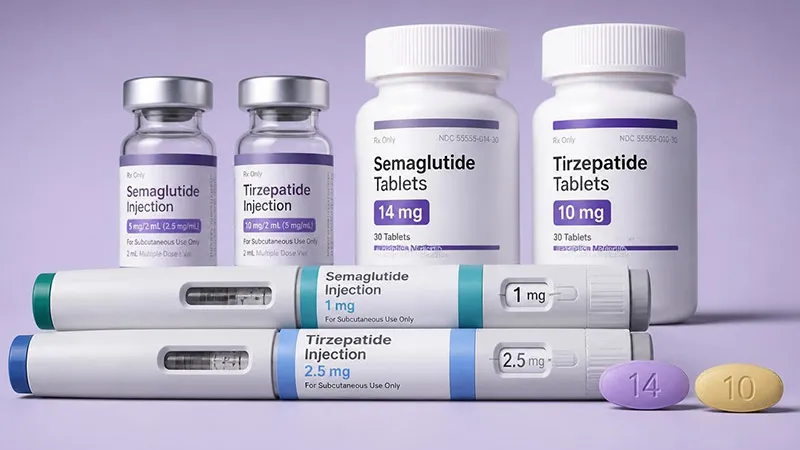
Side Effects of GLP-1 Weight Loss Medications
GLP-1 medications have become widely used options for medical weight management. Treatments such as Wegovy®, Saxenda®, Zepbound®, and Foundayo® can help eligible patients manage appetite and lose weight. However, like all prescription medications, they may cause side effects. Some are mild and temporary, while others require medical attention.
If you are considering GLP-1 treatment, understanding its possible risks can help you make an informed decision with your healthcare provider. This guide explains the most common side effects, serious safety concerns, and practical ways to manage symptoms during treatment.
“GLP-1 medications for weight loss; what to know before starting“
What Are the Most Common Side Effects of GLP-1 Medications?
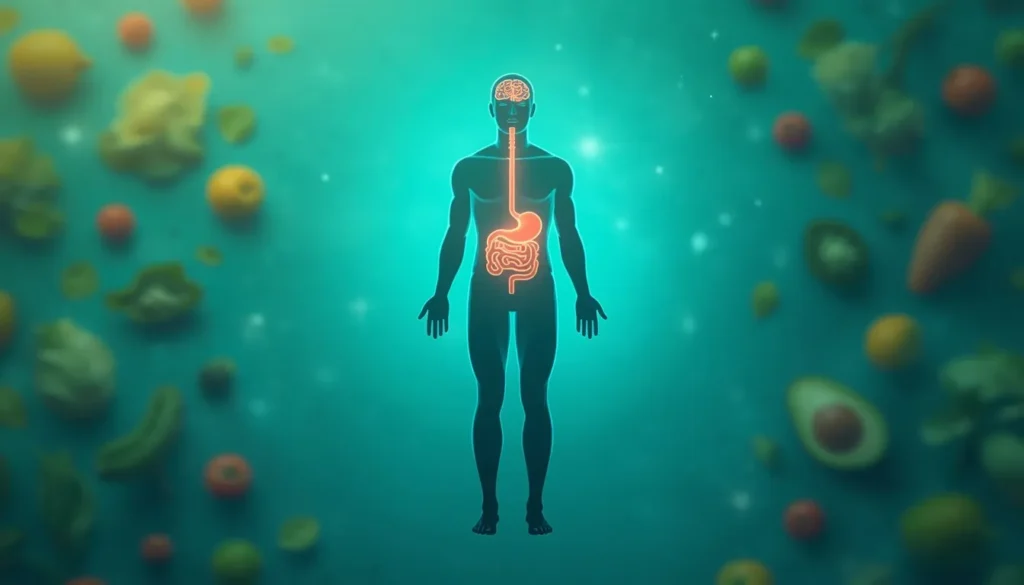
The most frequently reported side effects of GLP-1 medications involve the digestive system. Because these drugs influence appetite and slow stomach emptying, they can change how your body responds to food and digestion. Common symptoms include:
- Nausea
- Vomiting
- Diarrhea
- Constipation
- Abdominal pain or discomfort
- Bloating and gas
- Indigestion or acid reflux
Not everyone experiences these symptoms, and their intensity can vary depending on the medication, dosage, and individual response. Some people notice mild digestive changes, while others may find symptoms more disruptive, particularly when treatment begins or the dose increases.
Other reported side effects include headache, fatigue, dizziness, and injection-site reactions with injectable products. Hair loss has also been reported with some medications. It may be associated with substantial or rapid weight loss rather than being a direct effect of the medication itself.
Why Do GLP-1 Medications Cause Nausea and Digestive Problems?
GLP-1 medications affect the signals that regulate hunger, fullness, and digestion. One of their effects is slowing gastric emptying, meaning food may remain in the stomach longer than usual. This can help people feel full after smaller meals, but it may also contribute to nausea, bloating, belching, and abdominal discomfort.
These effects are often more noticeable during the first weeks of treatment or after a dosage increase. The digestive system may need time to adjust to the medication. For many patients, symptoms become more manageable as treatment continues, although some people experience persistent problems.
Eating large meals, consuming high-fat foods, or lying down shortly after eating may make digestive symptoms worse. Your healthcare provider can help determine whether symptoms are related to the medication, your eating habits, or another medical condition.
What Are the Serious Side Effects of GLP-1 Medications?
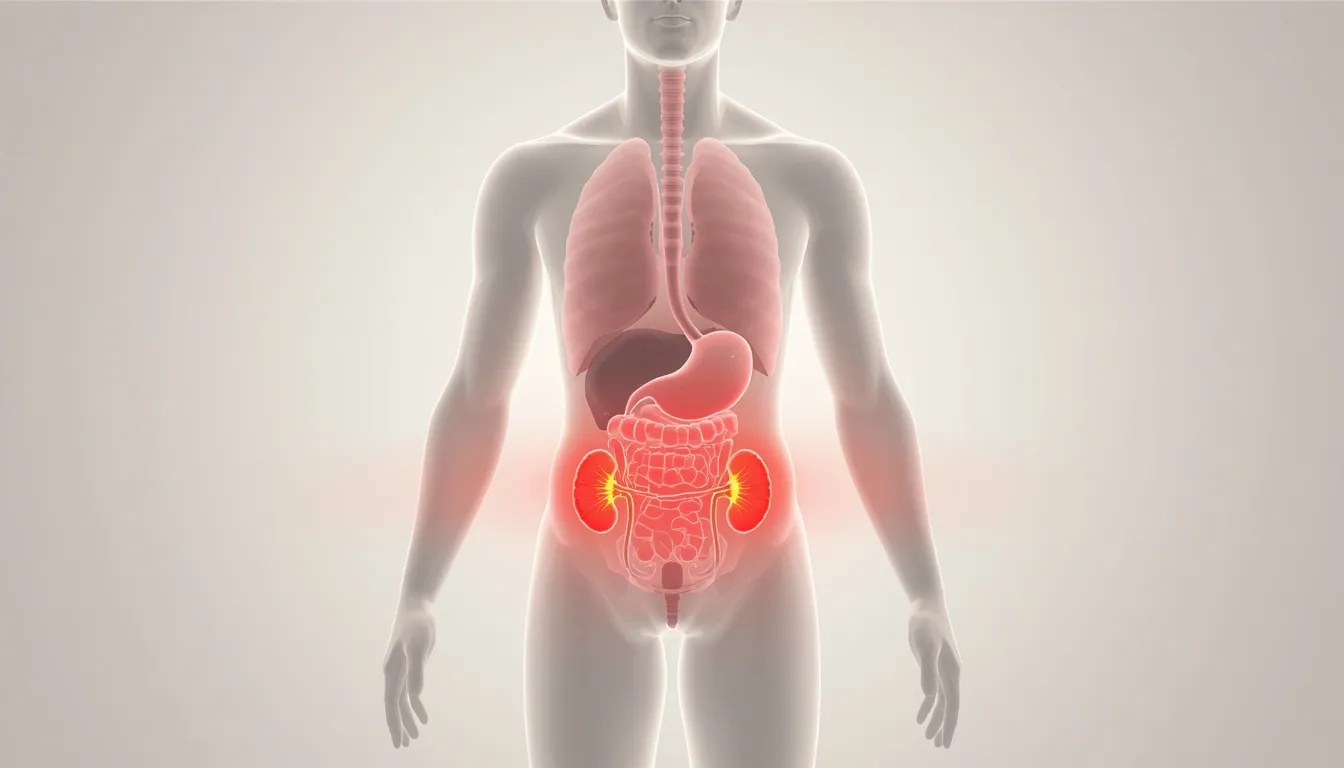
Although most reported side effects are digestive and manageable, GLP-1 medications also carry warnings about less common but potentially serious complications. Knowing the warning signs is important so that patients can seek medical attention when necessary.
Pancreatitis: Inflammation of the pancreas has been reported in patients using GLP-1 medications. Warning signs may include severe, persistent abdominal pain, sometimes spreading to the back, with or without vomiting. Seek urgent medical evaluation if these symptoms occur.
Gallbladder problems: Gallstones and gallbladder inflammation have been reported during treatment. Rapid or substantial weight loss can also increase the risk of gallbladder disease. Symptoms may include pain in the upper right abdomen, nausea, fever, or yellowing of the skin or eyes.
Dehydration and kidney problems: Persistent vomiting or diarrhea can cause significant fluid loss. In some patients, dehydration may lead to acute kidney injury, particularly when kidney function is already impaired.
Severe gastrointestinal reactions: Some patients may develop serious digestive symptoms. These medications are not recommended for people with severe gastroparesis, a condition in which the stomach empties very slowly.
These complications do not occur in everyone taking GLP-1 medication. However, persistent or severe symptoms should never be ignored. Contact your healthcare provider promptly if you experience concerning changes.
Can GLP-1 Medications Cause Thyroid Cancer?
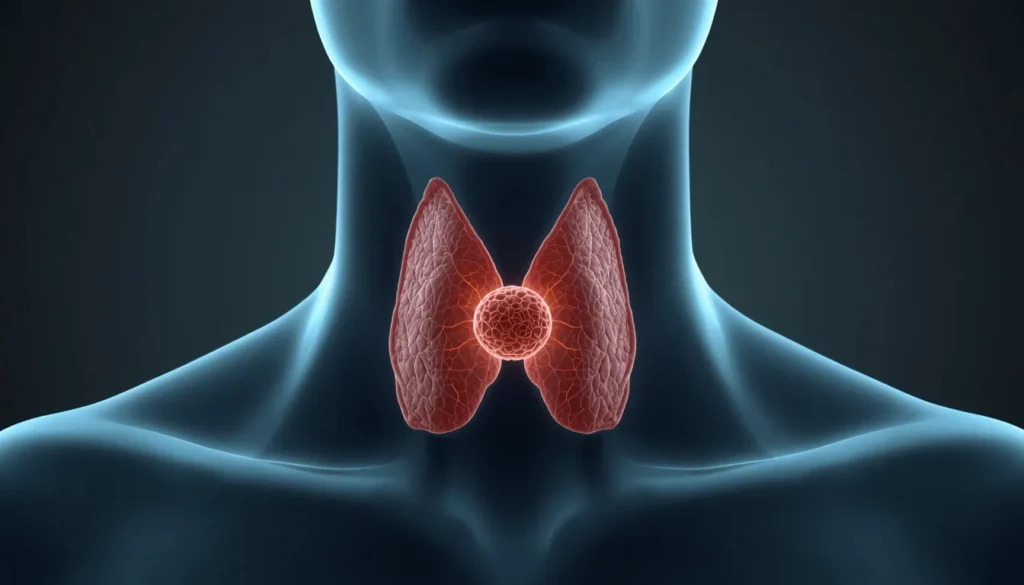
Semaglutide-containing products, tirzepatide, and orforglipron carry an FDA boxed warning about the potential risk of thyroid C-cell tumors. This warning is based on findings in animal studies. It is not known whether these medications cause the same type of tumors in humans.
These medications should not be used by people with a personal or family history of medullary thyroid carcinoma (MTC), or by individuals with Multiple Endocrine Neoplasia syndrome type 2 (MEN 2).
Patients should contact their healthcare provider if they notice a lump or swelling in the neck, persistent hoarseness, difficulty swallowing, or trouble breathing. It is important to understand that the warning does not establish that these medications cause thyroid cancer in humans, but it does identify a safety concern that must be considered before treatment.
Do GLP-1 Medications Have Long-Term Side Effects?
The long-term safety of GLP-1 medications continues to be studied. Clinical trials and post-marketing safety monitoring have identified several risks that healthcare providers consider when prescribing these treatments, including gallbladder disease, pancreatitis, severe gastrointestinal reactions, and dehydration-related kidney injury.
Some effects may also become relevant during extended treatment. For example, significant weight loss can involve changes in body composition, including the loss of some lean muscle mass. This is not necessarily a direct drug toxicity, but it is an important consideration during medical weight management. Adequate nutrition, appropriate protein intake, and suitable physical activity can help support muscle health.
The risks and benefits of long-term treatment vary between individuals. Regular follow-up appointments allow your provider to assess weight changes, nutritional needs, side effects, and other health indicators. Treatment duration and monitoring should be based on your medical needs rather than a fixed schedule.
How Can You Reduce the Side Effects of GLP-1 Medications?

Although side effects cannot always be prevented, certain habits may help make treatment more comfortable. Your healthcare provider may also adjust the treatment plan if symptoms become difficult to manage.
Consider these practical steps:
- Eat smaller meals: Smaller portions may reduce nausea and uncomfortable fullness.
- Choose lighter foods: Limit greasy, fried, and very high-fat meals if they trigger digestive symptoms.
- Eat slowly: Take your time during meals and stop when you begin to feel full.
- Stay hydrated: Drink enough fluids throughout the day, especially if you experience vomiting or diarrhea.
- Avoid lying down immediately after eating: Remaining upright may help reduce reflux and indigestion.
- Follow the prescribed dose schedule: Gradual dose increases are commonly used to improve tolerability.
- Keep track of symptoms: Note when symptoms occur and whether they follow a dose increase or particular foods.
Do not increase, reduce, or stop your medication without discussing it with your prescriber. If symptoms are severe or persistent, your provider may recommend delaying a dose increase, adjusting treatment, or considering another medication.
Are the Side Effects Different Between Wegovy, Zepbound, Saxenda, and Foundayo?
Although these medications act on GLP-1 or related incretin pathways, their side-effect profiles are not identical.
Semaglutide (Wegovy®) commonly causes nausea, diarrhea, vomiting, constipation, and abdominal discomfort. It is a GLP-1 receptor agonist used for chronic weight management in eligible patients.
Tirzepatide (Zepbound®) activates both GIP and GLP-1 receptors. Its commonly reported side effects include nausea, diarrhea, vomiting, constipation, abdominal pain, and indigestion.
Liraglutide (Saxenda®) is another GLP-1 receptor agonist. Digestive symptoms such as nausea, diarrhea, constipation, and vomiting are among its common adverse reactions.
Orforglipron (Foundayo®) is an oral GLP-1 receptor agonist. Reported side effects include nausea, constipation, diarrhea, vomiting, indigestion, abdominal pain, and headache.
The frequency and severity of side effects can differ depending on the medication and dose. A drug that works well for one patient may not be the best choice for another. Your healthcare provider can help compare treatment options based on your medical history, preferences, and treatment goals.

When Should You Contact Your Doctor?
Mild nausea or temporary digestive discomfort may occur during treatment, but certain symptoms require prompt medical attention. Contact your healthcare provider if you experience persistent vomiting, ongoing diarrhea, difficulty maintaining hydration, or digestive symptoms that interfere with normal daily activities.
Seek urgent medical evaluation for severe or persistent abdominal pain, especially if it spreads to your back, or if you experience symptoms such as fever, jaundice, or signs of a serious allergic reaction. Difficulty breathing or swelling of the face, lips, or tongue requires emergency care.
Before surgery or a procedure involving general anesthesia or deep sedation, tell your healthcare team that you take a GLP-1 medication. These drugs can delay stomach emptying, which may affect aspiration risk during certain procedures. Your medical team should provide individualized instructions about medication management before surgery.
Are GLP-1 Weight Loss Medications Safe for Everyone?
No. GLP-1 medications are prescription treatments and are not appropriate for every patient. A medical evaluation is important before starting treatment, especially for people with a history of pancreatitis, gallbladder disease, severe digestive problems, kidney problems, or certain thyroid cancer risks.
These medications should not be used for weight management during pregnancy. Patients who are pregnant, planning a pregnancy, or breastfeeding should discuss their circumstances with a healthcare provider. Specific recommendations can vary by medication.
For eligible patients, the benefits of treatment may outweigh the potential risks when medication is prescribed appropriately and monitored over time. The goal is not simply to lose weight quickly, but to support a sustainable approach to long-term health.
To learn more about treatment options and qualification, read our guide to Who qualifies for medical weight loss treatment.
Frequently Asked Questions
Nausea is one of the most commonly reported side effects. Other frequent symptoms include vomiting, diarrhea, constipation, bloating, and abdominal discomfort. These effects are often more noticeable when treatment begins or the dosage increases.
Some digestive symptoms improve as the body adjusts to treatment, but the duration varies between individuals. Symptoms may return or become more noticeable after a dose increase. Persistent or severe side effects should be discussed with your healthcare provider.
GLP-1 medications slow stomach emptying, and some patients experience significant digestive symptoms. Severe gastrointestinal reactions have been reported, and these medications are not recommended for people with severe gastroparesis. Persistent symptoms require medical evaluation.
Hair loss has been reported with medications such as semaglutide and tirzepatide. It may be related to substantial or rapid weight loss and changes in nutrition rather than a direct effect of the medication. Your provider can assess possible causes and nutritional needs.
Do not stop or change your medication without consulting your prescriber unless you are experiencing a serious reaction that requires urgent medical care. Your provider can assess the symptoms and decide whether a dose adjustment, temporary interruption, or alternative treatment is appropriate.
Refrences
- U.S. Food and Drug Administration (FDA). Wegovy® Prescribing Information.
- U.S. Food and Drug Administration (FDA). Zepbound® Prescribing Information.
- U.S. Food and Drug Administration (FDA). Foundayo® Prescribing Information.
- American Diabetes Association. Standards of Care in Diabetes—2026: Obesity and Weight Management.
- National Institute of Diabetes and Digestive and Kidney Diseases (NIDDK). Prescription Medications to Treat Overweight & Obesity.