

Understanding dual GIP/GLP1 treatment for weight and metabolic health
Tirzepatide is a once-weekly injectable medication that activates both GIP and GLP1 receptors. These pathways are involved in appetite, food intake, glucose regulation, and metabolism. For appropriate patients, tirzepatide can be one component of a comprehensive medical weight-management plan that also includes nutrition, physical activity, and ongoing medical follow-up.
Patients often ask: “Is Zepbound the same as Mounjaro?”
Both contain tirzepatide, but they are different branded products with different FDA-approved indications and labeling. Zepbound is FDA-approved for chronic weight management in appropriate adults and also for moderate-to-severe obstructive sleep apnea in adults with obesity. Mounjaro is FDA-approved to improve glycemic control in patients with type 2 diabetes. A medical evaluation determines which product, if any, is appropriate.
This distinction matters. Patients are welcome to ask about either brand, but treatment should be selected according to diagnosis, medical history, safety considerations, goals, and insurance coverage.
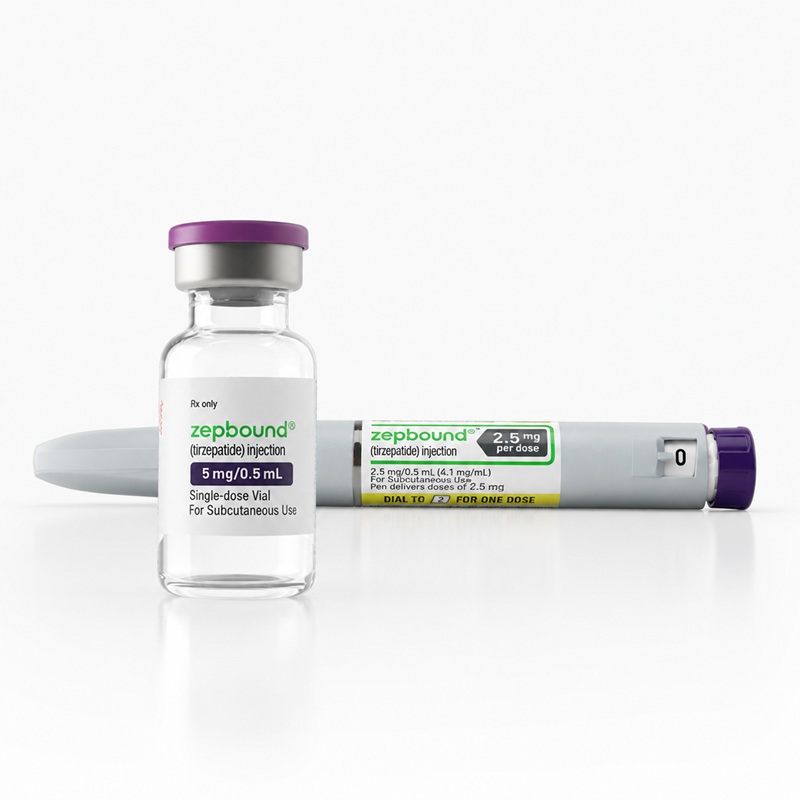
Zepbound is FDA-approved for long-term weight reduction and maintenance in adults with obesity, or adults with overweight who have at least one weight-related condition, together with a reduced-calorie diet and increased physical activity.
Zepbound also has an FDA-approved indication for moderate-to-severe obstructive sleep apnea in adults with obesity, together with a reduced-calorie diet and increased physical activity.
Whether tirzepatide is appropriate depends on an individualized evaluation of weight history, medical conditions, medications, previous treatment, gastrointestinal history, pregnancy plans, and other safety considerations.
Tirzepatide is administered by subcutaneous injection once weekly. Treatment is generally started at a low dose and increased gradually according to the FDA-approved regimen and individual tolerability. Gradual escalation is intended to reduce gastrointestinal adverse reactions.
The exact dose, timing, escalation, and product presentation should follow the patient’s prescription and clinician instructions. The website should not replace medication-specific prescribing instructions.
Clinical trials of Zepbound have demonstrated substantial average weight reduction when tirzepatide is used together with reduced-calorie nutrition and increased physical activity. Individual results vary. Starting weight, medical conditions, treatment adherence, tolerability, nutrition, activity, and duration of therapy all influence outcomes.
Our program should avoid promising a specific amount of weight loss. The focus is on clinically meaningful progress, improvement in weight-related health, and a sustainable long-term treatment plan.
The most common adverse effects are gastrointestinal. Commonly reported side effects with Zepbound include:
Symptoms may be more noticeable during dose escalation. Persistent, severe, or concerning symptoms should be discussed promptly with the treating clinician.
Boxed Warning
Zepbound and Mounjaro carry a boxed warning regarding thyroid C-cell tumors observed in rats. It is unknown whether tirzepatide causes medullary thyroid carcinoma in humans. Tirzepatide is contraindicated in patients with a personal or family history of medullary thyroid carcinoma (MTC) or Multiple Endocrine Neoplasia syndrome type 2 (MEN 2).
❇︎ Other important warnings and precautions include acute pancreatitis, gallbladder disease, kidney injury related to dehydration, severe gastrointestinal adverse reactions, hypoglycemia when used with insulin or certain diabetes medications, hypersensitivity reactions, and aspiration risk during general anesthesia or deep sedation. Patients should tell their healthcare team about all medications, medical conditions, and planned procedures.
❇︎ Tirzepatide delays gastric emptying and can affect absorption of some oral medications. This is particularly important for oral hormonal contraceptives. FDA labeling advises patients using oral hormonal contraceptives to switch to a non-oral method or add a barrier method for 4 weeks after starting tirzepatide and for 4 weeks after each dose increase.
❇︎ Weight-loss treatment with Zepbound is not recommended during pregnancy. Patients who are pregnant or planning pregnancy should discuss medication discontinuation and alternative care with their clinician.
Zepbound should not be used together with another tirzepatide-containing product or with a GLP1 receptor agonist. Medication lists should be reviewed carefully before treatment is started.
Zepbound has an FDA-approved indication for adults with obesity and moderate-to-severe obstructive sleep apnea. For appropriate patients, weight reduction with tirzepatide may improve sleep-apnea severity. Obstructive sleep apnea should still be evaluated and managed as a medical condition, and patients should not discontinue PAP or other prescribed therapy without discussing it with the clinician managing their sleep apnea.
Insurance coverage for Zepbound and other obesity medications varies by plan. Some plans cover anti-obesity medications, some require prior authorization and documentation of clinical criteria, and others exclude them.
When tirzepatide is medically appropriate, our team can help address applicable prior-authorization requirements. Coverage and out-of-pocket cost cannot be guaranteed. Coverage for Mounjaro is generally tied to its diabetes indication and should not be presented as interchangeable insurance coverage for Zepbound.
A coverage denial does not end the medical discussion. Your physician can review the reason for denial, determine whether prior authorization or appeal is appropriate, and discuss other evidence-based treatment options that fit your medical history and coverage.
Obesity is a chronic disease, and weight regain can occur after effective pharmacologic treatment is discontinued. Before stopping tirzepatide, it is useful to discuss the reason for discontinuation and establish a maintenance strategy. Treatment duration should be individualized based on effectiveness, tolerability, health goals, access, and alternatives.
Anti-obesity medication may be considered for selected patients with weight recurrence or inadequate weight loss after bariatric surgery. Tirzepatide may be one option when clinically appropriate, but post-bariatric patients require individualized assessment of anatomy, nutrition, symptoms, medications, and overall health.
Yes. Many patients come to the visit with one of these names in mind. Your physician can explain the indication differences and determine whether tirzepatide—and which product—is appropriate.
They contain the same active ingredient, tirzepatide, but they have different FDA-approved indications and labeling.
Mounjaro is FDA-approved for glycemic control in patients with type 2 diabetes. Zepbound is the tirzepatide product with FDA indications that include chronic weight management.
Zepbound is administered once weekly by subcutaneous injection.
Zepbound is FDA-approved for moderate-to-severe obstructive sleep apnea in adults with obesity, together with reduced-calorie nutrition and increased physical activity.
Zepbound should not be used with another tirzepatide-containing product or with a GLP-1 receptor agonist.
It can reduce the effectiveness of oral hormonal contraceptives during treatment initiation and dose escalation. FDA labeling recommends a non-oral contraceptive method or an added barrier method for 4 weeks after starting and for 4 weeks after each dose increase.
This program is designed around FDA-approved prescription treatment options. Treatment is selected after medical evaluation.
Testing is individualized based on medical history, diabetes status, medications, symptoms, and clinical needs.
It may be considered in selected patients, but treatment should be individualized to the patient’s bariatric anatomy, nutritional status, symptoms, and medical history.

Start with a physician-led telemedicine evaluation. We will review your health, goals, treatment history, medication options, safety considerations, and insurance coverage to determine the most appropriate next step.
This page is for general educational purposes and does not replace individualized medical advice. Prescription medications have potential benefits, side effects, contraindications, warnings, and drug interactions. Treatment decisions are made after an appropriate medical evaluation. FDA labeling, availability, and insurance coverage may change.
Website content checked against current U.S. FDA prescribing information for Zepbound (tirzepatide) and Mounjaro (tirzepatide), August 2026. Detailed prescribing information should be reviewed periodically as labeling changes.