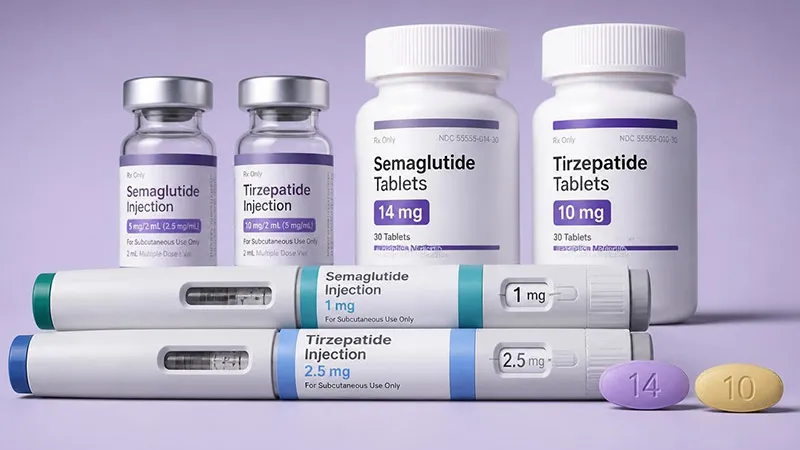
Weight Loss Medications
Losing weight is not always as simple as eating less and exercising more. Appetite, hormones, metabolism, genetics, and other biological factors can influence how your body regulates weight. For some people, these factors make it difficult to lose weight or maintain results through lifestyle changes alone.
Weight loss medications can help address some of these challenges. Depending on the medication, they may reduce hunger, increase feelings of fullness, decrease food cravings, or reduce the amount of dietary fat your body absorbs. Understanding how these treatments work can help you have a more informed conversation with your healthcare provider about your options.
How Do Weight Loss Medications Work?

Prescription weight loss medications work through different mechanisms, but most are designed to help reduce calorie intake or support better appetite control. Some act on chemical signals in the brain that influence hunger and cravings, while others affect hormones involved in digestion, blood sugar regulation, and feelings of fullness.
For example, GLP-1 medications mimic a naturally occurring hormone that helps regulate appetite. Other medications influence neurotransmitters involved in hunger and reward, and some reduce the absorption of dietary fat in the digestive system. These different approaches can help people manage their weight when lifestyle changes alone have not been sufficient.
Weight loss medications are generally most effective when combined with a reduced-calorie eating plan, regular physical activity, and ongoing medical support. They are not quick fixes or substitutes for healthy habits. Instead, they can be part of a comprehensive treatment plan designed around a person’s health needs and long-term goals.
What Are the Different Types of Weight Loss Medications?
There are several FDA-approved prescription medications for chronic weight management in adults. They differ in how they work, how they are taken, their potential side effects, and the health conditions for which they may be appropriate.
The main categories include GLP-1 receptor agonists, dual GIP/GLP-1 receptor agonists, medications that affect appetite-related brain signals, and medications that reduce fat absorption. Some are taken as weekly or daily injections, while others are available as oral tablets. The right option depends on your medical history, treatment goals, preferences, and potential risks.
1. GLP-1 Medications: Semaglutide and Liraglutide

GLP-1 receptor agonists mimic the action of glucagon-like peptide-1, a hormone involved in appetite regulation and blood sugar control. They act on areas of the brain that influence hunger and food intake, helping people feel satisfied sooner and reducing the urge to eat. They also slow stomach emptying, which can contribute to a longer-lasting feeling of fullness.
Semaglutide (Wegovy®) is a GLP-1 medication approved for chronic weight management in eligible patients. It is administered as a once-weekly injection. Liraglutide (Saxenda®) works through a similar mechanism but is taken as a daily injection. Both are used alongside reduced-calorie eating habits and increased physical activity.
It is important to distinguish medications with different FDA-approved uses. Wegovy® is approved for certain weight-management indications, while Ozempic® is approved for type 2 diabetes and has different labeled uses and dosing. They contain the same active ingredient, semaglutide, but are not interchangeable prescriptions for every patient.
2. Dual GIP and GLP-1 Medication: Tirzepatide
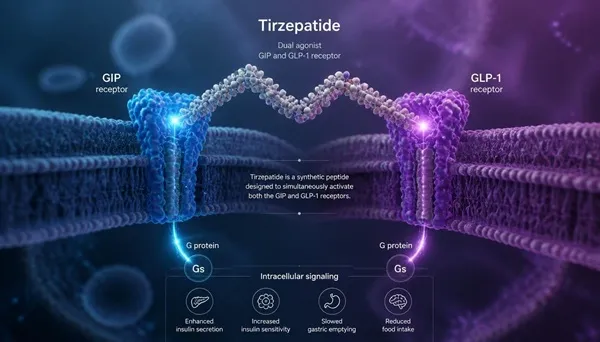
Tirzepatide (Zepbound®) works by activating two hormone receptors: GIP and GLP-1. These pathways help regulate appetite, food intake, and blood sugar. By acting on both receptors, tirzepatide can help reduce hunger and support greater feelings of fullness.
Zepbound® is a once-weekly injection approved for chronic weight management in eligible adults. It is also approved for certain adults with obesity and moderate-to-severe obstructive sleep apnea. Under the brand name Mounjaro®, tirzepatide is approved for type 2 diabetes, with different labeled indications.
Like other medications in this category, tirzepatide is intended to be used as part of a broader treatment plan rather than on its own. Your healthcare provider can help determine whether it is appropriate based on your health conditions, current medications, and treatment goals.
3. Oral GLP-1 Medication: Orforglipron (Foundayo®)

Orforglipron (Foundayo®) is an oral GLP-1 receptor agonist approved by the FDA in 2026 for chronic weight management in eligible adults. Unlike injectable GLP-1 treatments, it is taken as a once-daily tablet. It activates the GLP-1 receptor, helping regulate appetite and reduce food intake.
By acting on appetite-related pathways in the brain, orforglipron can help people feel less hungry and consume fewer calories. It is used alongside a reduced-calorie diet and increased physical activity. Its oral form may be an option for adults who prefer tablets over injections, although suitability depends on individual medical factors.
Foundayo® is a prescription medication, not an over-the-counter weight loss supplement. A healthcare professional should review its benefits, possible side effects, and prescribing information before treatment begins.
4. Other Prescription Weight Loss Medications
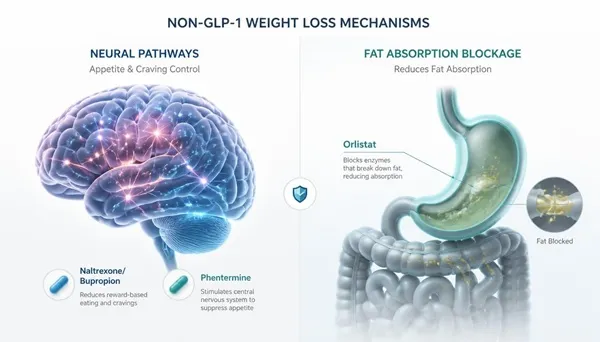
Not all weight loss medications work through GLP-1 pathways. Some affect brain chemicals involved in appetite and cravings, while others work in the digestive system.
Common examples include:
- Naltrexone/Bupropion (Contrave®): Combines two medications that act on brain pathways involved in appetite, food cravings, and reward-related eating.
- Phentermine/Topiramate (Qsymia®): Combines an appetite-suppressing medication with topiramate, which can influence appetite and food intake.
- Orlistat (Xenical®): Reduces the absorption of some dietary fat in the digestive system. A lower-dose version is also available over the counter in the United States.
These medications have different precautions and potential side effects. For example, orlistat can cause digestive symptoms, while phentermine-containing treatments may affect heart rate or blood pressure. Contrave® also has important contraindications and is not suitable for everyone. Your healthcare provider can help compare these options with newer treatments.
Who Can Benefit from Weight Loss Medication?
Weight loss medication may be appropriate for adults with obesity or overweight accompanied by weight-related health conditions. Common clinical eligibility criteria include a BMI of 30 or higher, or a BMI of 27 or higher with a condition such as high blood pressure, type 2 diabetes, or abnormal cholesterol levels. Specific medication labels and clinical circumstances may affect eligibility.
However, BMI is only one part of the assessment. Your healthcare provider may also consider waist circumference, weight history, previous treatment attempts, existing medical conditions, and medications you currently take. Meeting a BMI threshold does not automatically mean that a prescription is necessary or appropriate.
Read our guide to Who Qualifies for Medical Weight Loss Treatment? to learn more about eligibility criteria and what to expect during a medical evaluation.

What Are the Common Side Effects of Weight Loss Medications?
Side effects depend on the medication and the individual. GLP-1 and GIP/GLP-1 treatments commonly cause digestive symptoms, including nausea, vomiting, diarrhea, constipation, and abdominal discomfort. These symptoms may be more noticeable when starting treatment or increasing the dose.
Other medications have different safety considerations. Phentermine-containing treatments may cause increased heart rate, sleep problems, or dry mouth. Naltrexone/bupropion may cause nausea, headache, or changes in blood pressure, while orlistat can cause oily stools and other digestive effects. Some medications also have serious warnings or contraindications that must be reviewed before treatment.
Not every medication is suitable for every person. For example, certain weight loss medications should not be used during pregnancy, and some have specific restrictions based on medical history or other prescriptions. Always discuss potential risks and side effects with your healthcare provider rather than choosing a medication on your own.
How Long Do You Need to Take Weight Loss Medication?

The length of treatment varies depending on the medication, your response, and your overall health goals. Many prescription weight management medications are intended for long-term use because obesity is a chronic condition that may require ongoing care. Treatment is usually monitored over time to evaluate effectiveness, tolerability, and changes in weight-related health conditions.
Stopping medication does not always mean the effects will continue. Hunger and appetite may increase after treatment is discontinued, and some people regain weight. This is one reason healthcare professionals may recommend a long-term maintenance strategy rather than treating weight loss as a short-term goal.
Your provider can periodically review your progress and decide whether to continue, adjust, or change treatment. The goal is to find an approach that provides meaningful health benefits while remaining safe and manageable over time.
Which Weight Loss Medication Is Right for You?
There is no single best weight loss medication for everyone. The most appropriate choice depends on your medical history, weight-related health conditions, treatment preferences, potential side effects, cost, and insurance coverage. Some people may prefer an oral medication, while others may benefit from an injectable treatment with a different mechanism of action.
A physician-guided evaluation can help you understand the available options and choose a treatment plan that fits your needs. Medication may be combined with nutrition counseling, physical activity, and behavioral support to improve the likelihood of maintaining progress.
To explore the available treatments in more detail, visit our Medical Weight Management page.
Frequently Asked Questions
There is no universally best medication. Semaglutide and tirzepatide can produce substantial weight loss in clinical studies, but individual results vary. The most appropriate treatment depends on your health conditions, medical history, preferences, and potential risks.
GLP-1 medications activate receptors involved in appetite regulation and food intake. They can reduce hunger, increase feelings of fullness, and slow stomach emptying, helping people consume fewer calories.
Effectiveness varies by medication. Some oral medications can support meaningful weight loss, while certain injectable treatments have shown greater average weight reduction in clinical trials. Orforglipron (Foundayo®) is an oral GLP-1 option, but results and suitability differ from person to person.
Some people regain weight after discontinuing treatment because appetite and other biological signals that influence weight may return. A long-term maintenance plan should be discussed with your healthcare provider before stopping medication.
Weight loss medications are generally intended to be used alongside a reduced-calorie eating plan and increased physical activity. They can support appetite control and weight reduction, but they do not replace healthy lifestyle habits or ongoing medical care.
Refrences
- National Institute of Diabetes and Digestive and Kidney Diseases (NIDDK). Prescription Medications to Treat Overweight & Obesity.
- American Diabetes Association (ADA). Pharmacologic Treatment of Obesity in Adults: Standards of Care in Overweight and Obesity.
- Pharmacotherapy for Obesity Management in Adults: 2025 Clinical Practice Guideline Update.
- World Health Organization (WHO). Obesity: GLP-1 Therapies – Questions and Answers.
- U.S. Food and Drug Administration (FDA). FDA Approves Foundayo (orforglipron) for Chronic Weight Management, 2026.