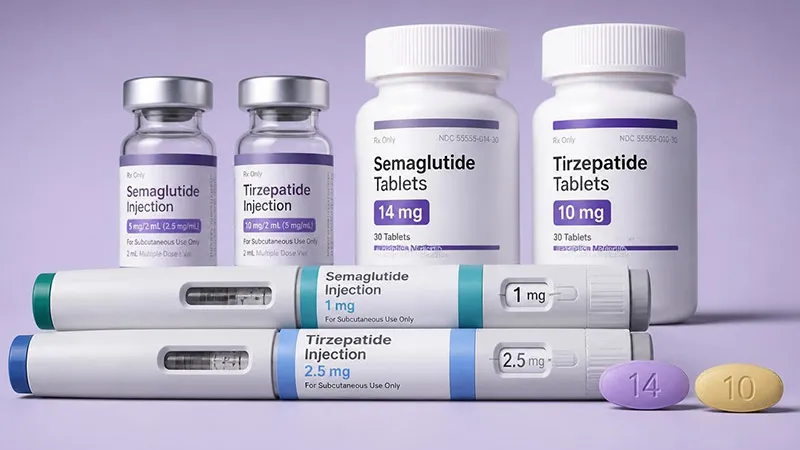
GLP-1 Medications for Weight Loss
GLP-1 medications have become an important option in the medical treatment of obesity. These prescription treatments can help reduce appetite, increase feelings of fullness, and support meaningful weight loss in eligible patients. However, they are not suitable for everyone, and starting treatment involves more than choosing an injection or taking a pill.
If you are considering medications such as Wegovy® or Zepbound®, it is important to understand how they work, who may qualify, what results to expect, and which side effects and safety precautions to discuss with your healthcare provider. This guide explains the key things to know before beginning GLP-1-based weight management treatment.
What Are GLP-1 Medications for Weight Loss?

GLP-1 stands for glucagon-like peptide-1, a hormone naturally produced in the digestive system after eating. It helps regulate blood sugar, appetite, and digestion. GLP-1 medications mimic the activity of this hormone by activating GLP-1 receptors involved in appetite control and food intake.
These medications can help people feel full sooner, stay satisfied longer, and experience less hunger. They also slow stomach emptying, which may contribute to prolonged fullness. By influencing these biological signals, GLP-1 treatments can make it easier for some people to reduce their calorie intake and manage their weight.
Several medications work through this pathway, including semaglutide and liraglutide. Tirzepatide also activates the GLP-1 receptor, but it additionally acts on the GIP receptor, making it a dual GIP/GLP-1 medication rather than a GLP-1-only treatment.
How Do GLP-1 Medications Help You Lose Weight?
GLP-1 medications affect the body’s appetite-regulation system rather than simply increasing calorie burning. They act on areas of the brain involved in hunger and food intake, which can reduce appetite and make it easier to feel satisfied with smaller portions. Some people also notice fewer food cravings or less interest in eating between meals.
Another important effect is slower stomach emptying, particularly during the early stages of treatment. This can help food remain in the stomach longer and contribute to a feeling of fullness after meals. The overall result may be lower calorie intake and gradual weight reduction.
However, these medications do not produce identical results for everyone. Weight changes depend on the specific medication, dose, treatment duration, individual health factors, and lifestyle habits. They are generally prescribed alongside reduced-calorie eating habits and increased physical activity, not as replacements for them.
For more information read the article “How do weight loss medications work?“
Which GLP-1 Medications Are Approved for Weight Loss?
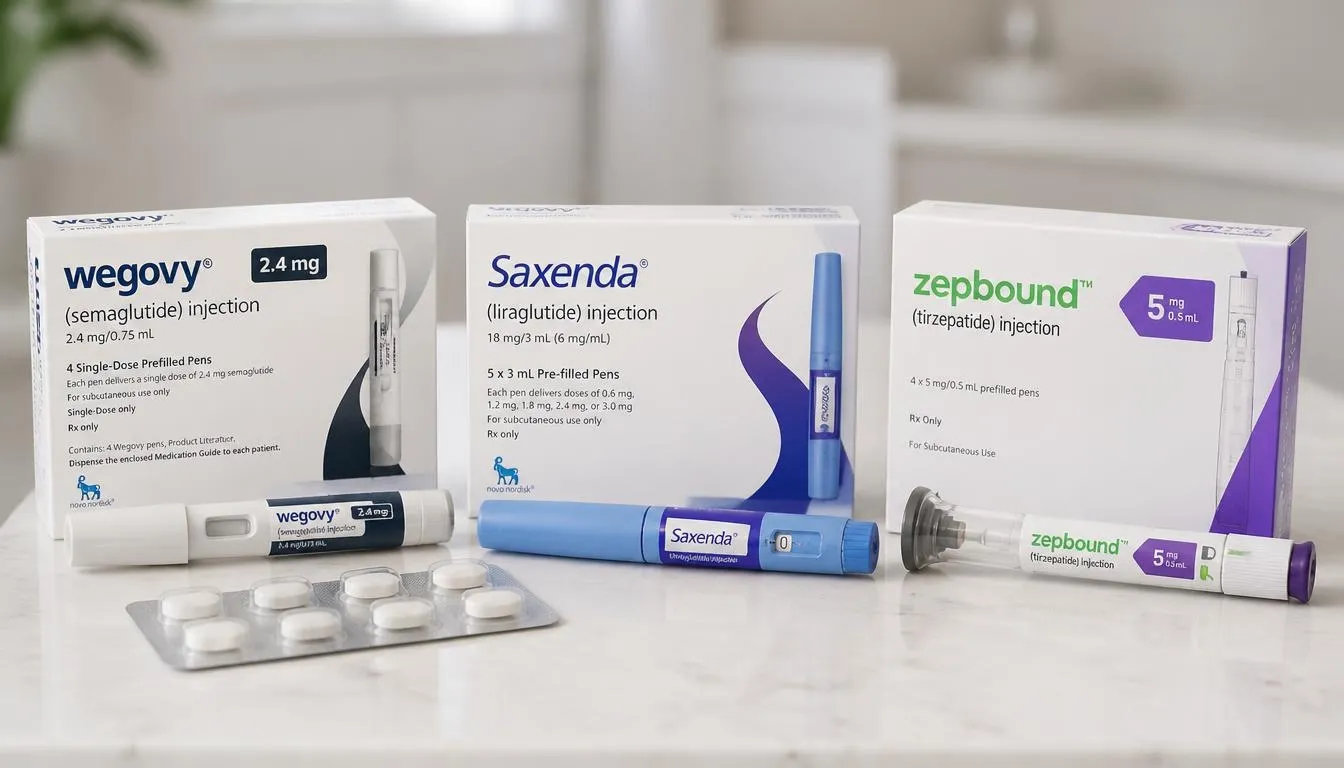
Several prescription medications act on the GLP-1 pathway or related incretin hormone receptors. Their approved uses, dosing schedules, and delivery methods differ.
Semaglutide (Wegovy®) is a GLP-1 receptor agonist approved for chronic weight management in eligible adults and certain adolescents. It is available as a once-weekly injection and, under updated U.S. prescribing information, an oral tablet option. Its specific indications and dosing depend on the formulation.
Liraglutide (Saxenda®) is another GLP-1 receptor agonist approved for chronic weight management. Unlike weekly semaglutide injections, Saxenda® is administered once daily.
Tirzepatide (Zepbound®) activates both GIP and GLP-1 receptors. It is a once-weekly injection approved for chronic weight management in eligible adults and for certain adults with obesity and moderate-to-severe obstructive sleep apnea.
Orforglipron (Foundayo®) is an oral GLP-1 receptor agonist approved for chronic weight management in eligible adults. Unlike injectable medications such as semaglutide and liraglutide, it is taken once daily as a tablet.
It is important to distinguish weight-management brands from products approved for other conditions. For example, Wegovy® and Ozempic® both contain semaglutide, but they have different FDA-approved indications and dosing. Similarly, Zepbound® and Mounjaro® contain tirzepatide but have different labeled uses. Your healthcare provider can explain which product is appropriate for your treatment goals.
Who Qualifies for GLP-1 Weight Loss Medication?
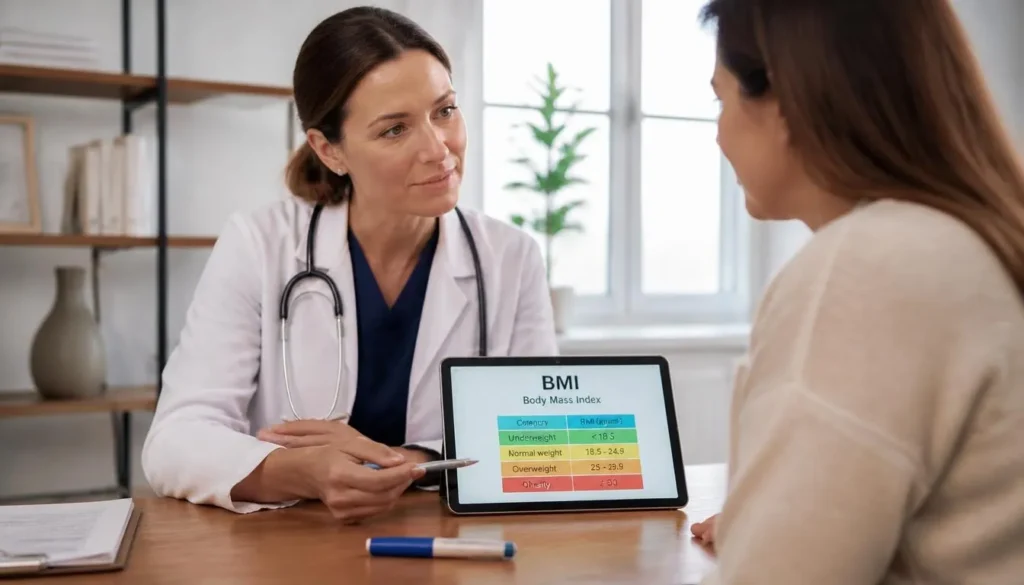
For many prescription weight-management medications, adults may qualify if they have a BMI of 30 or higher, or a BMI of 27 or higher with at least one weight-related health condition. Examples include type 2 diabetes, high blood pressure, abnormal cholesterol levels, and obstructive sleep apnea.
Meeting these BMI thresholds does not automatically mean that a GLP-1 medication is right for you. Your healthcare provider will also consider your medical history, current medications, previous weight-management attempts, and any conditions that could affect treatment safety.
GLP-1 medications are not intended for cosmetic weight loss or for people who simply want to lose a few pounds. A medical evaluation helps determine whether the potential benefits outweigh the risks and whether another treatment approach may be more appropriate.
Learn more in our guide: Who Qualifies for Medical Weight Loss Treatment?
What Are the Common Side Effects of GLP-1 Medications?
The most common side effects of GLP-1 medications involve the digestive system. These may include nausea, vomiting, diarrhea, constipation, abdominal discomfort, and bloating. Symptoms are often more noticeable when treatment begins or when the dose increases, and they may improve as the body adjusts.
Some people experience reduced appetite to the point that eating enough becomes difficult. Maintaining adequate nutrition and hydration is important, particularly if nausea, vomiting, or diarrhea occurs. Your healthcare provider may recommend gradual dose increases and practical dietary adjustments to improve tolerability.
Although less common, serious complications can occur. These may include pancreatitis, gallbladder problems, dehydration-related kidney injury, and severe gastrointestinal reactions. Seek medical advice promptly if you experience severe or persistent abdominal pain, repeated vomiting, or signs of dehydration. Review the medication-specific safety information with your provider before starting treatment.
Who Should Avoid GLP-1 Medications?

GLP-1 medications are not appropriate for everyone. Semaglutide- and tirzepatide-containing products carry a boxed warning about thyroid C-cell tumors observed in rodent studies. They should not be used by people with a personal or family history of medullary thyroid carcinoma (MTC) or by people with Multiple Endocrine Neoplasia syndrome type 2 (MEN 2).
These medications should not be used for weight management during pregnancy. If you are pregnant, planning to become pregnant, or breastfeeding, discuss your circumstances with your healthcare provider before considering treatment. The recommended timing for stopping a medication before a planned pregnancy depends on the specific product.
Your provider should also know if you have a history of pancreatitis, gallbladder disease, severe digestive problems, kidney problems, or diabetic eye disease. These conditions do not all represent the same type of contraindication for every medication, but they may affect treatment decisions, monitoring, or the choice of drug.
What Should You Expect When Starting GLP-1 Treatment?
Treatment usually begins with a low dose that is gradually increased according to the medication’s prescribing schedule. This approach helps the body adjust and may reduce digestive side effects. Do not increase, decrease, or change your dose without following your prescriber’s instructions.
Your healthcare provider may monitor your weight, appetite, blood pressure, blood sugar when relevant, side effects, and overall health during follow-up appointments. Progress is not measured by the number on the scale alone. Improvements in weight-related conditions, daily functioning, and other health indicators may also matter.
GLP-1 treatment is often part of long-term weight management. Some people regain weight after stopping medication because appetite and other biological signals can return. Before starting, discuss the expected duration of treatment, follow-up schedule, cost, insurance coverage, and a plan for maintaining results.

Are GLP-1 Medications Worth Considering?
For eligible patients, GLP-1-based treatments can be valuable tools for managing obesity and improving certain weight-related health risks. However, the best option depends on your health history, treatment goals, medication preferences, possible side effects, and ability to continue treatment.
A physician-guided evaluation can help you compare available medications and understand whether an injectable or oral treatment is appropriate. A comprehensive plan may also include nutrition counseling, physical activity recommendations, and ongoing support.
To explore the broader approach to treatment, visit our Medical Weight Management page.
Frequently Asked Questions
Some people notice changes in appetite within the first few weeks, but meaningful weight changes generally take longer. Results vary depending on the medication, dose, treatment duration, and individual factors. The dose is usually increased gradually under medical supervision.
Wegovy® contains semaglutide, which activates the GLP-1 receptor. Zepbound® contains tirzepatide, which activates both GIP and GLP-1 receptors. Both are approved for chronic weight management in eligible patients, but their dosing, clinical effects, and prescribing information differ.
Not necessarily, but obesity often requires long-term management. Some people need ongoing medication to maintain weight loss, while others may follow a different maintenance plan. Weight regain can occur after stopping treatment, so discuss the risks and next steps with your healthcare provider before discontinuing medication.
Yes. Certain GLP-1-based medications are specifically approved for chronic weight management in eligible people who do not have diabetes. Eligibility depends on the medication's approved indications and an individual medical evaluation.
Combining GLP-1 medications or using them with another product containing the same active ingredient is generally not recommended. Such combinations may increase the risk of side effects without established additional benefit. Always tell your healthcare provider about all prescription medications, supplements, and weight-loss products you use.