

Saxenda is the brand name for liraglutide, a GLP1 receptor agonist. It is FDA-approved, together with reduced-calorie nutrition and increased physical activity, for long-term weight management in appropriate adults with obesity, or adults with overweight who have at least one weight-related condition.
Saxenda has been available for weight management for many years. Although newer GLP1 and GIP/GLP1 therapies are now commonly used, Saxenda remains an FDA-approved option for selected patients.
All are obesity medications, but they are not the same.
Saxenda contains liraglutide and is taken once daily. Wegovy contains semaglutide and is available in once-weekly injectable and once-daily oral formulations. Zepbound contains tirzepatide and is taken once weekly by injection. The best option depends on medical history, expected benefit, tolerability, treatment preference, availability, and insurance coverage.
Because newer medications often produce greater average weight reduction in clinical trials, Saxenda may be used less frequently today, but it can still be a reasonable option for selected patients.
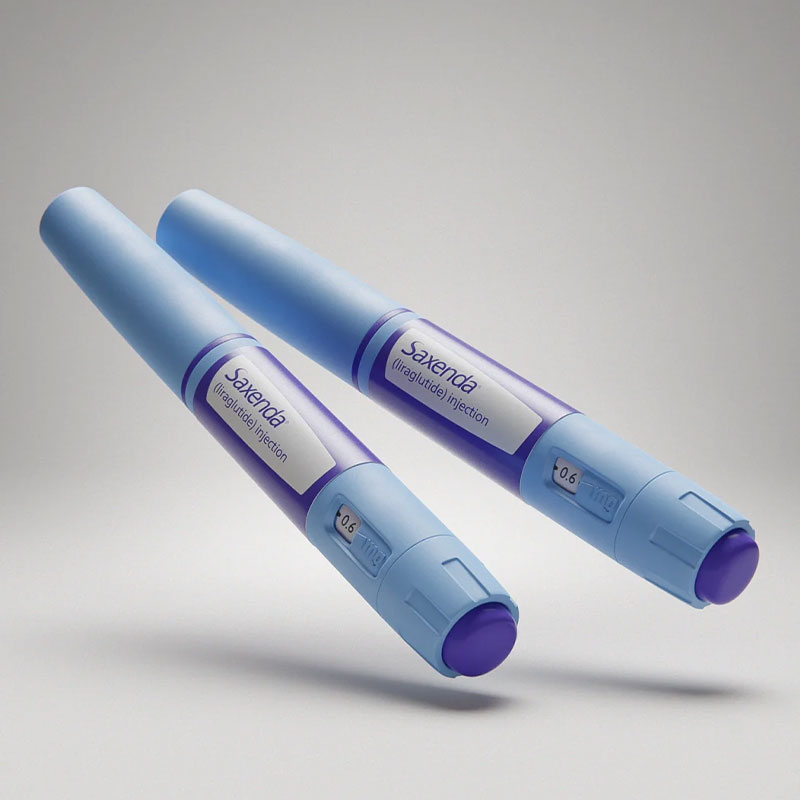
Saxenda is given as a subcutaneous injection once daily. Treatment starts at a lower dose and is increased gradually according to the FDA-approved schedule to improve tolerability.
The exact dose and escalation schedule should follow the patient’s prescription and clinician instructions. The website should not replace medication-specific prescribing information.
Saxenda may be considered for adults who meet FDA criteria for chronic weight management and for whom liraglutide is clinically appropriate.
A physician should review weight history, current medications, medical conditions, prior weight-management treatment, gastrointestinal history, pregnancy plans, and other safety considerations before prescribing Saxenda.
Clinical studies have shown that Saxenda can produce clinically meaningful weight loss when used together with reduced-calorie nutrition and increased physical activity. Individual results vary.
Medication selection should not be based only on average trial percentages. The most appropriate treatment depends on effectiveness, safety, tolerability, access, insurance coverage, and patient preference.
The most common side effects are gastrointestinal. These may include:
Side effects may be most noticeable during dose escalation. Persistent, severe, or concerning symptoms should be discussed promptly with the treating clinician.
Saxenda should not be used together with another liraglutide-containing product or another GLP1 receptor agonist. A complete medication review is important before treatment begins.
Boxed Warning
Saxenda carries a boxed warning regarding thyroid C-cell tumors observed in rodents. It is not known whether liraglutide causes medullary thyroid carcinoma in humans. Saxenda is contraindicated in patients with a personal or family history of medullary thyroid carcinoma (MTC) or Multiple Endocrine Neoplasia syndrome type 2 (MEN 2).
❇︎ Other important warnings and precautions include pancreatitis, gallbladder disease, kidney injury related to dehydration, increased heart rate, hypoglycemia in some patients using diabetes medications, and hypersensitivity reactions. Patients should review all medications and medical conditions with their clinician.
In January 2026, the FDA reported that its review did not identify an increased risk of suicidal ideation or behavior with GLP1 receptor agonists and requested removal of that warning from labeling for Saxenda, Wegovy, and Zepbound.
Weight-loss medication should not be used during pregnancy. Saxenda should be discontinued if pregnancy is recognized. Patients who are pregnant, trying to become pregnant, or planning pregnancy should discuss treatment with their clinician.
Insurance coverage for Saxenda and other anti-obesity medications varies by plan. Some plans cover prescription obesity treatment, some require prior authorization, and others exclude weight-management medications.
When Saxenda is medically appropriate, our team can help address applicable prior-authorization requirements. Coverage and out-of-pocket cost cannot be guaranteed.
Yes. Saxenda contains liraglutide, a GLP1 receptor agonist.
Saxenda is injected once daily.
Both contain liraglutide, but they are different branded products with different FDA-approved indications and dosing. Saxenda is the liraglutide product indicated for chronic weight management.
Average weight-loss results in newer trials of semaglutide and tirzepatide have generally been greater than those reported with liraglutide, but individual treatment choice depends on much more than average trial results.
No. Saxenda should not be used with another GLP-1 receptor agonist or another liraglutide-containing product.
Coverage varies by insurance plan and may require prior authorization.
This program is designed around FDA-approved prescription treatment options. Treatment is selected after medical evaluation.
It may be considered in selected patients with weight recurrence or inadequate weight loss after bariatric surgery, but treatment should be individualized to the patient’s anatomy, nutrition, symptoms, medications, and overall health.

Start with a physician-led telemedicine evaluation. We will review your health, weight history, treatment preferences, safety considerations, and insurance coverage to determine whether Saxenda or another medication is the most appropriate option.
This page is for general educational purposes and does not replace individualized medical advice. Prescription medications have potential benefits, side effects, contraindications, warnings, and drug interactions. Treatment decisions are made after an appropriate medical evaluation. FDA labeling, availability, and insurance coverage may change.
Website content checked against current U.S. FDA information for Saxenda (liraglutide) and FDA safety communications available in August 2026. Detailed prescribing information should be reviewed periodically as labeling changes.