

A non-GLP1 oral option for medical weight management
Contrave is a prescription oral weight-management medication that combines two medicines: naltrexone and bupropion. It is FDA-approved, together with a reduced-calorie diet and increased physical activity, to reduce excess body weight and maintain weight reduction long term in appropriate adults with obesity or overweight plus at least one weight-related condition.
Contrave is not a GLP1 medication. It offers a different treatment pathway for selected patients when a non-GLP1 oral medication is clinically appropriate.
The two components act on central nervous system pathways involved in appetite and reward. Bupropion affects norepinephrine and dopamine signaling, while naltrexone blocks opioid receptors. Together, they can help reduce appetite and food-related cravings in some patients.
A different approach from GLP1 therapy
Contrave does not work through GLP1 or GIP receptors. For some patients, having an evidence-based oral option with a different mechanism can be useful when selecting an individualized treatment plan.
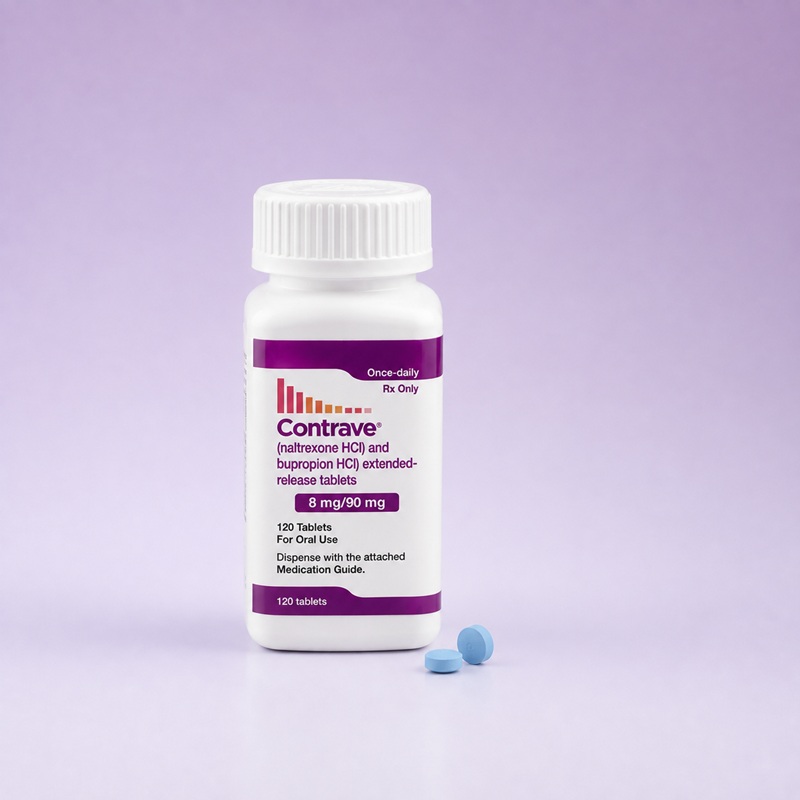
Contrave may be considered for adults with obesity, or adults with overweight who have at least one weight-related condition, when prescription weight-management treatment is appropriate.
A careful medical and medication review is particularly important before prescribing Contrave because several conditions and medications can make it inappropriate or unsafe.
Contrave is contraindicated in several situations. Important examples include:
Other medical conditions and medications may also affect whether Contrave is appropriate. The complete FDA prescribing information and an individualized clinical evaluation should guide treatment.
This is especially important
Naltrexone blocks opioid receptors. Contrave can interfere with opioid pain medicines and can precipitate withdrawal in a person who is physically dependent on opioids. Patients should tell their physician about all opioid use, including prescription pain medication, cough or diarrhea products that may contain opioids, and medications used to treat opioid dependence.
If surgery, a procedure, or an injury may require opioid pain control, the treating clinicians need to know that the patient is taking Contrave. Patients should not stop or restart the medication around opioid use without medical guidance.
Contrave is an extended-release tablet. Treatment is started gradually and increased over several weeks according to the FDA-approved dosing schedule. Gradual escalation helps improve tolerability and reduce certain risks.
Tablets should be swallowed whole and should not be cut, chewed, or crushed. FDA labeling also advises avoiding administration with a high-fat meal because this can increase medication exposure and seizure risk.
The website should not replace the patient’s prescription instructions or Medication Guide.
Response to Contrave should be assessed after the patient has had an adequate trial at the maintenance dose. Current FDA labeling includes a treatment-response checkpoint: if an adult has not lost at least 5% of baseline body weight after 12 weeks on the maintenance dose, the medication should be discontinued because clinically meaningful weight loss is unlikely with continued treatment.
This is one reason ongoing follow-up is important. Weight-management medication should be evaluated for effectiveness as well as tolerability.
Clinical studies show that Contrave can produce clinically meaningful weight loss in some patients when combined with reduced-calorie nutrition and increased physical activity. Average weight loss is generally more modest than that seen in trials of the newest incretin-based medications, but individual response varies considerably.
Medication choice should not be based only on average trial percentages. Medical history, contraindications, patient preference, side effects, insurance coverage, prior treatment, and individual response all matter.
The most commonly reported side effects include:
Patients should contact their clinician if symptoms are persistent, severe, or concerning.
Boxed Warning: Suicidal Thoughts and Behaviors
Contrave contains bupropion. Antidepressant medicines can increase the risk of suicidal thoughts and behavior in children, adolescents, and young adults in short-term studies. Patients starting Contrave should be monitored for worsening mood, unusual behavioral changes, or suicidal thoughts. Contrave is not approved for pediatric patients.
❇︎ Other important warnings and precautions include seizure risk, increases in blood pressure or heart rate, neuropsychiatric symptoms, liver injury associated with naltrexone exposure, angle-closure glaucoma in susceptible patients, and hypoglycemia in some patients with diabetes as weight is reduced.
Patients should provide a complete list of prescription medications, over-the-counter products, and supplements because bupropion has clinically important drug interactions.
Contrave can increase blood pressure and resting heart rate. Blood pressure and pulse should be assessed before treatment and monitored during therapy, particularly in patients with hypertension or cardiovascular disease. Contrave should not be used in patients with uncontrolled hypertension.
Weight-loss medication should not be used during pregnancy. Contrave should be discontinued if pregnancy is recognized. Patients who are pregnant, trying to become pregnant, or planning pregnancy should discuss treatment with their clinician.
The FDA labeling notes that the safety and effectiveness of Contrave in combination with other products intended for weight loss have not been established. Combination treatment should therefore not be presented as routine on the website. Any use of multiple anti-obesity medications requires individualized clinical judgment, careful review of evidence, and appropriate monitoring.
Insurance coverage for Contrave and other anti-obesity medications varies by plan. Some plans cover prescription obesity treatment, some require prior authorization or documentation of clinical criteria, and others exclude weight-management medications.
When Contrave is medically appropriate, our team can help address applicable prior-authorization requirements. Coverage and out-of-pocket cost cannot be guaranteed.
No. Contrave contains naltrexone and bupropion and works through different central nervous system pathways.
No. Contrave is not federally scheduled as a controlled substance.
Contrave contains naltrexone, which blocks opioid receptors. Chronic opioid use is a contraindication, and opioid-related treatment requires careful planning with your clinician.
Yes. Contrave can increase blood pressure and heart rate, so these should be assessed and monitored. It should not be used with uncontrolled hypertension.
Contrave contains bupropion, and its labeling carries the antidepressant class boxed warning about suicidal thoughts and behaviors, particularly in younger patients. Mood and behavioral changes should be monitored.
FDA labeling uses a response checkpoint after 12 weeks on the maintenance dose. If an adult has not lost at least 5% of baseline body weight by then, treatment should be discontinued.
The safety and effectiveness of Contrave in combination with other weight-loss products have not been established in the FDA labeling. Any combination treatment requires individualized medical judgment.
Coverage varies by insurance plan and may require prior authorization.
It may be considered in selected patients, but treatment should be individualized based on the prior operation, current anatomy, nutritional status, medications, symptoms, and overall health.

Start with a physician-led telemedicine evaluation. We will review your health, weight history, medications, treatment preferences, safety considerations, and insurance coverage to determine whether Contrave or another weight-management treatment is the most appropriate option.
This page is for general educational purposes and does not replace individualized medical advice. Prescription medications have potential benefits, side effects, contraindications, warnings, and drug interactions. Treatment decisions are made after an appropriate medical evaluation. FDA labeling, availability, and insurance coverage may change.
Website content checked against current U.S. FDA prescribing information for Contrave (naltrexone hydrochloride/bupropion hydrochloride extended-release tablets), including the 2025 FDA label available in August 2026. Detailed prescribing information should be reviewed periodically as labeling changes.